Nature Photo Journal #8
The large cottonwood featured in these images is a sentinel looking over our neighborhood park. I am interested in different angles of photographing the great tree as it changes throughout the seasons.


Nature Photo Journal #8
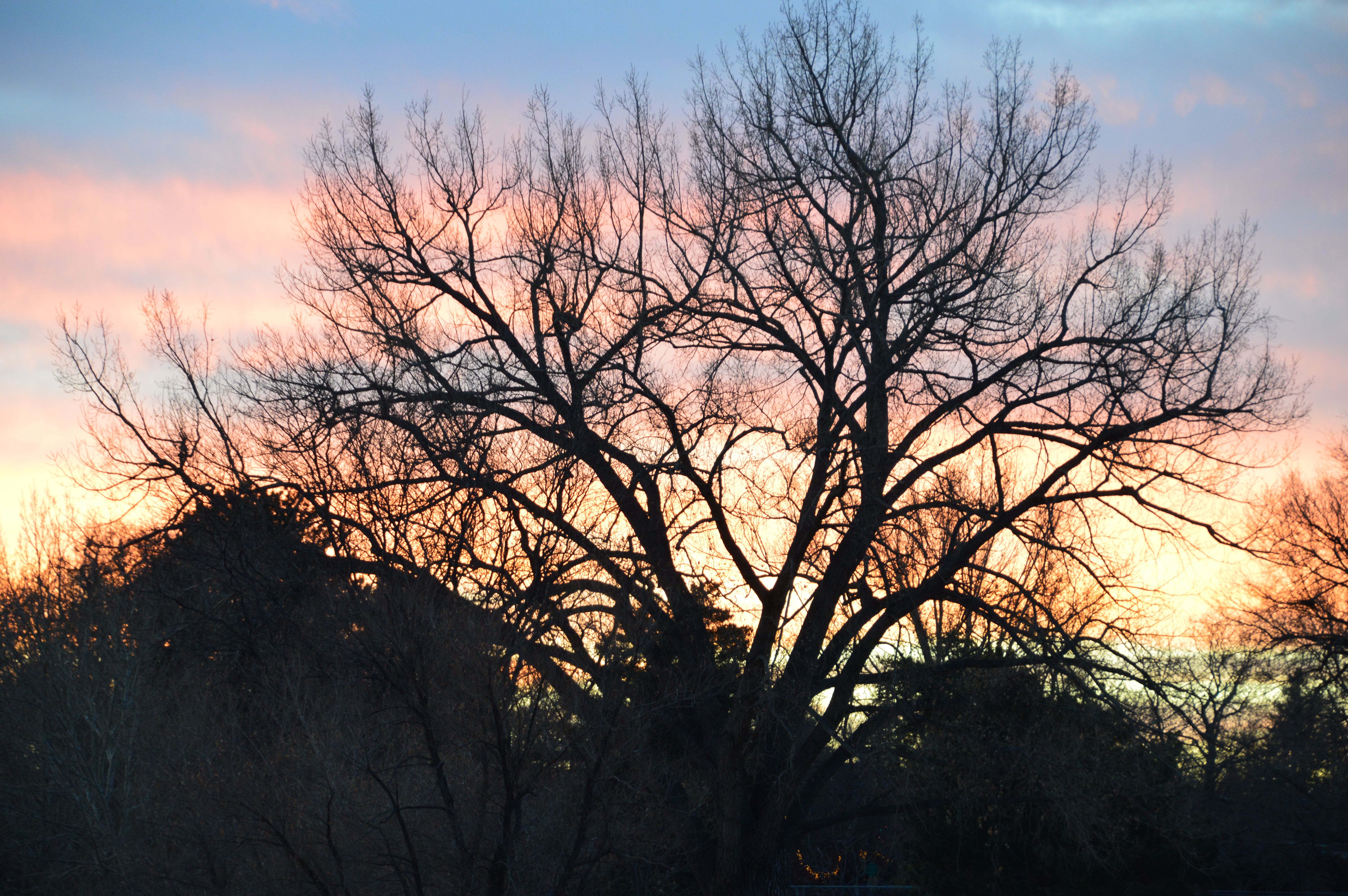
The large cottonwood featured in these images is a sentinel looking over our neighborhood park. I am interested in different angles of photographing the great tree as it changes throughout the seasons.
Nature Photo Journal #7
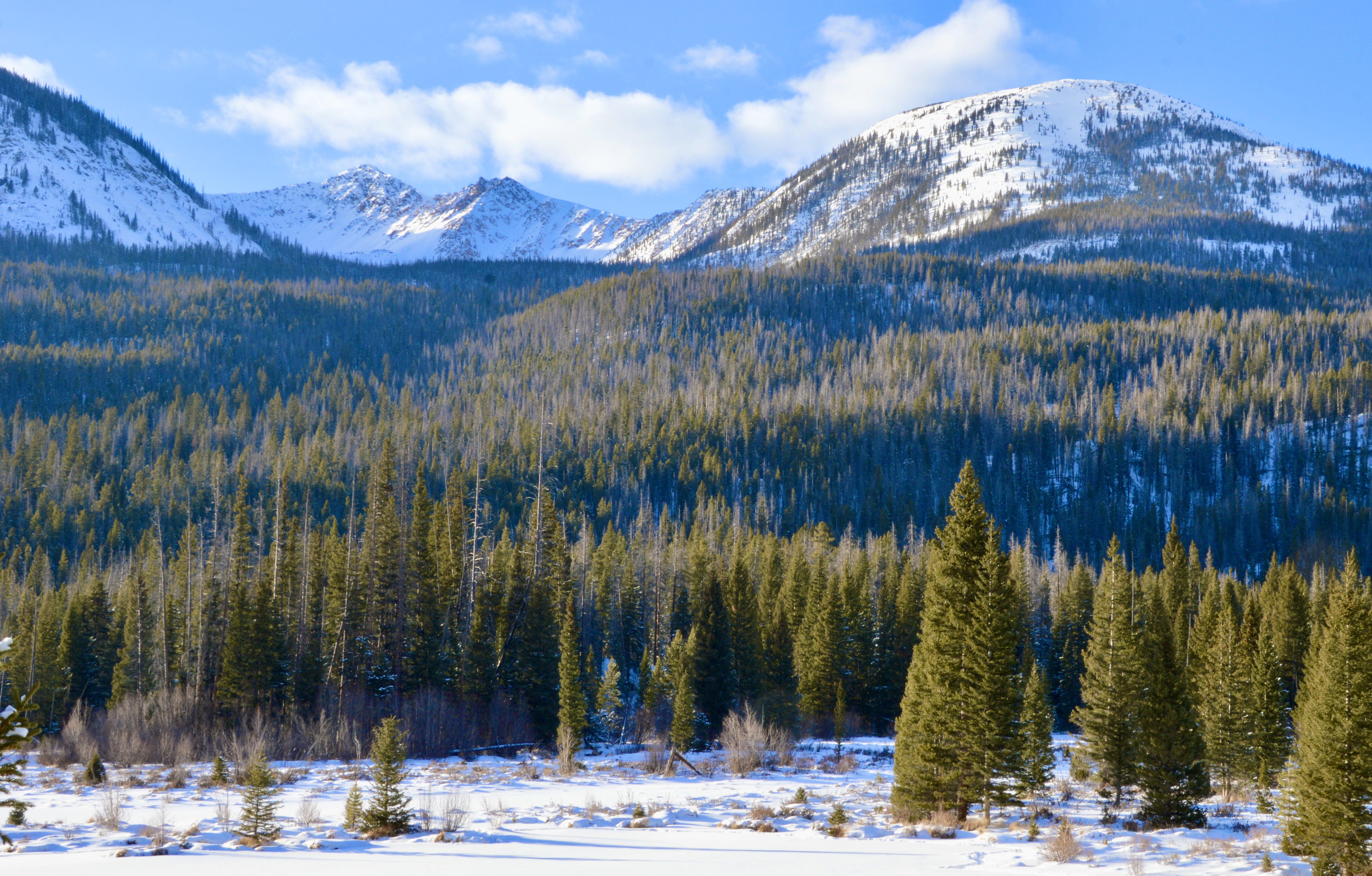
Getting to spend a week in the mountains, wandering with the Continental Divide always in view, playing in the snow, and enjoying the details of the season, is certainly a privilege and a welcome reprieve from urbanity. Photos help document the gratitude of the day.
Return to St. Louis Creek — Fraser, CO 12/29/20

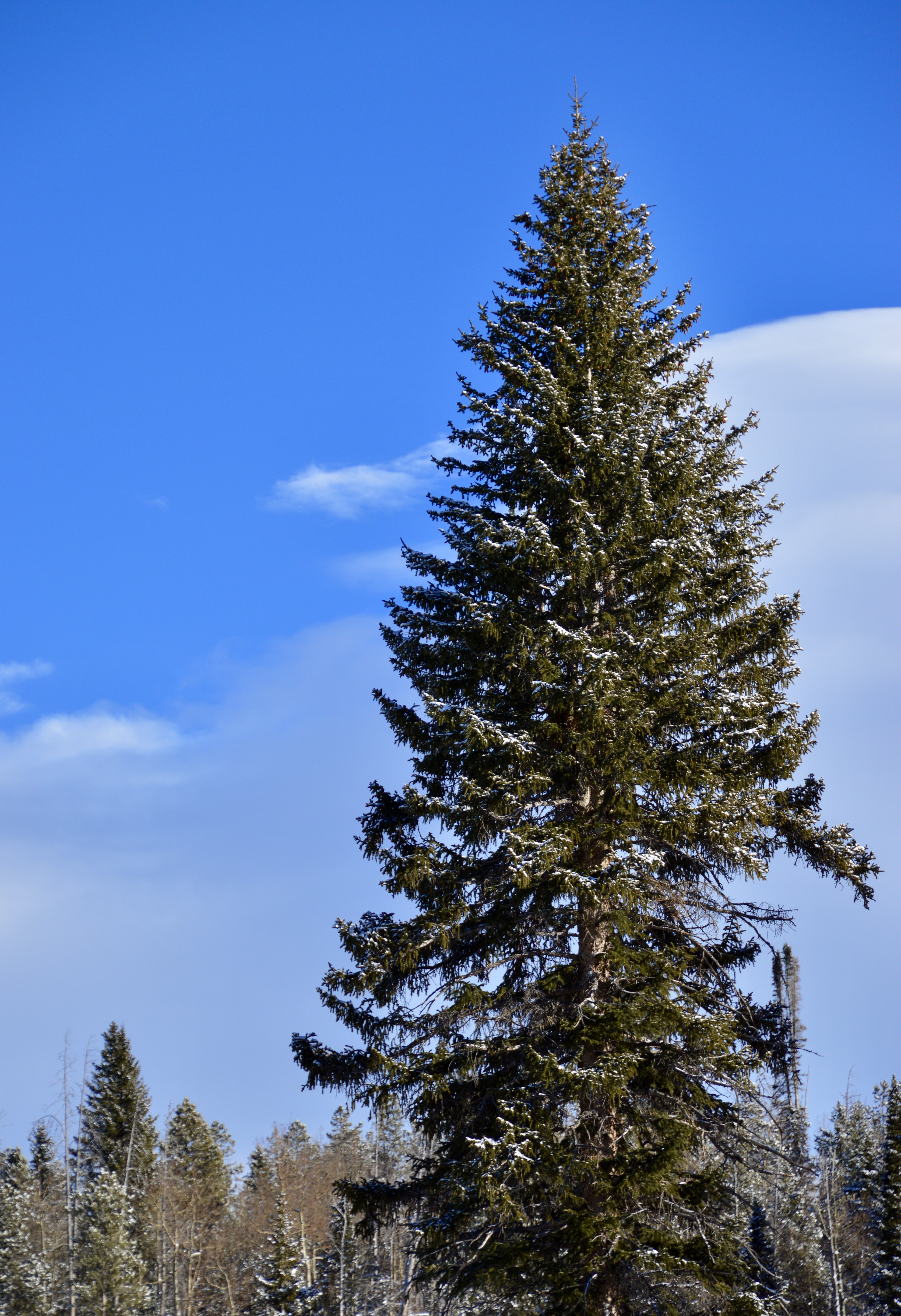



Wander Out The Back Door — Fraser, CO 12/30/21
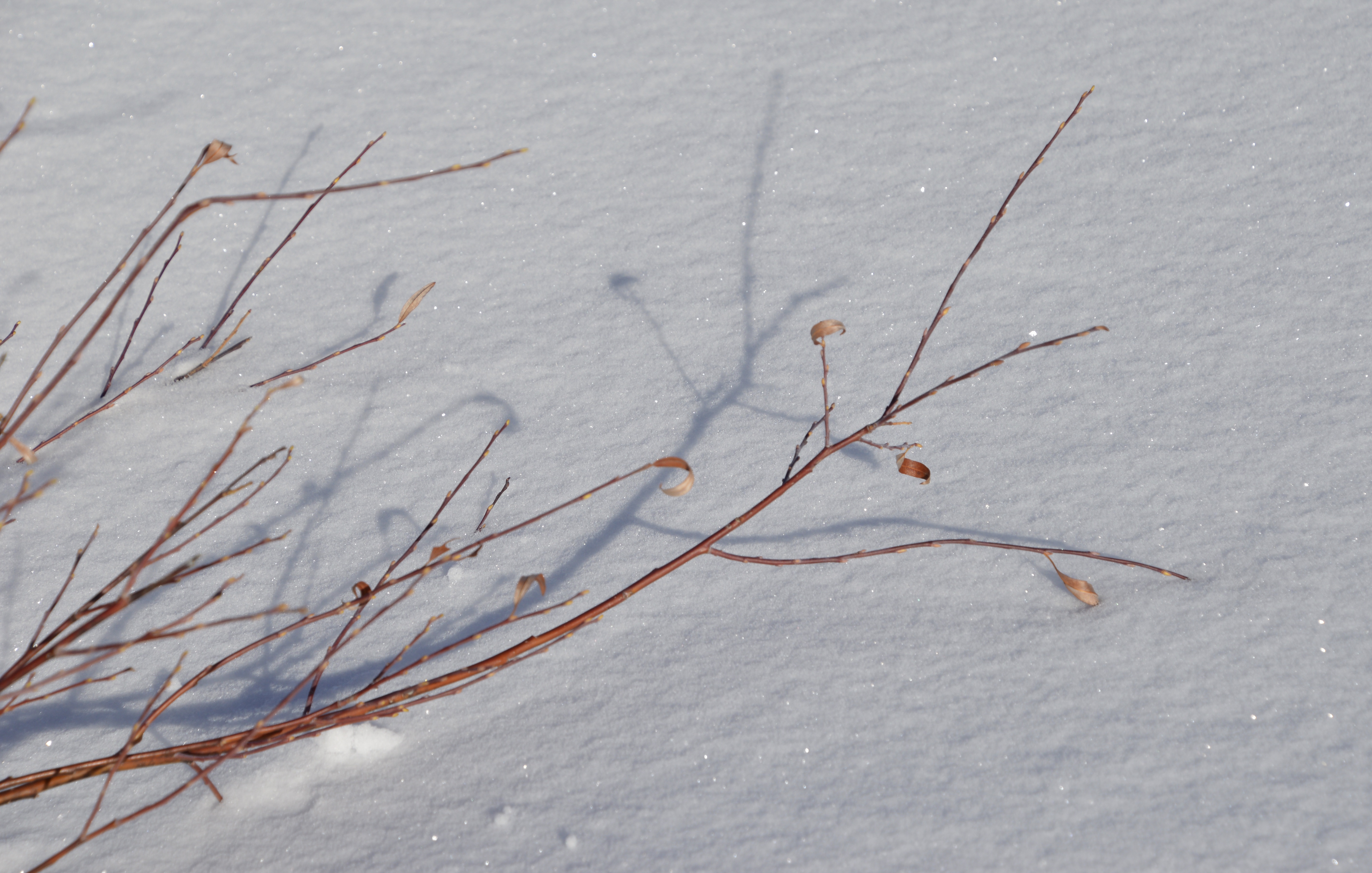
Photos that look like dugout holes in the snow are tracks of a fox carrying some type of insect and running through the snow (I think).

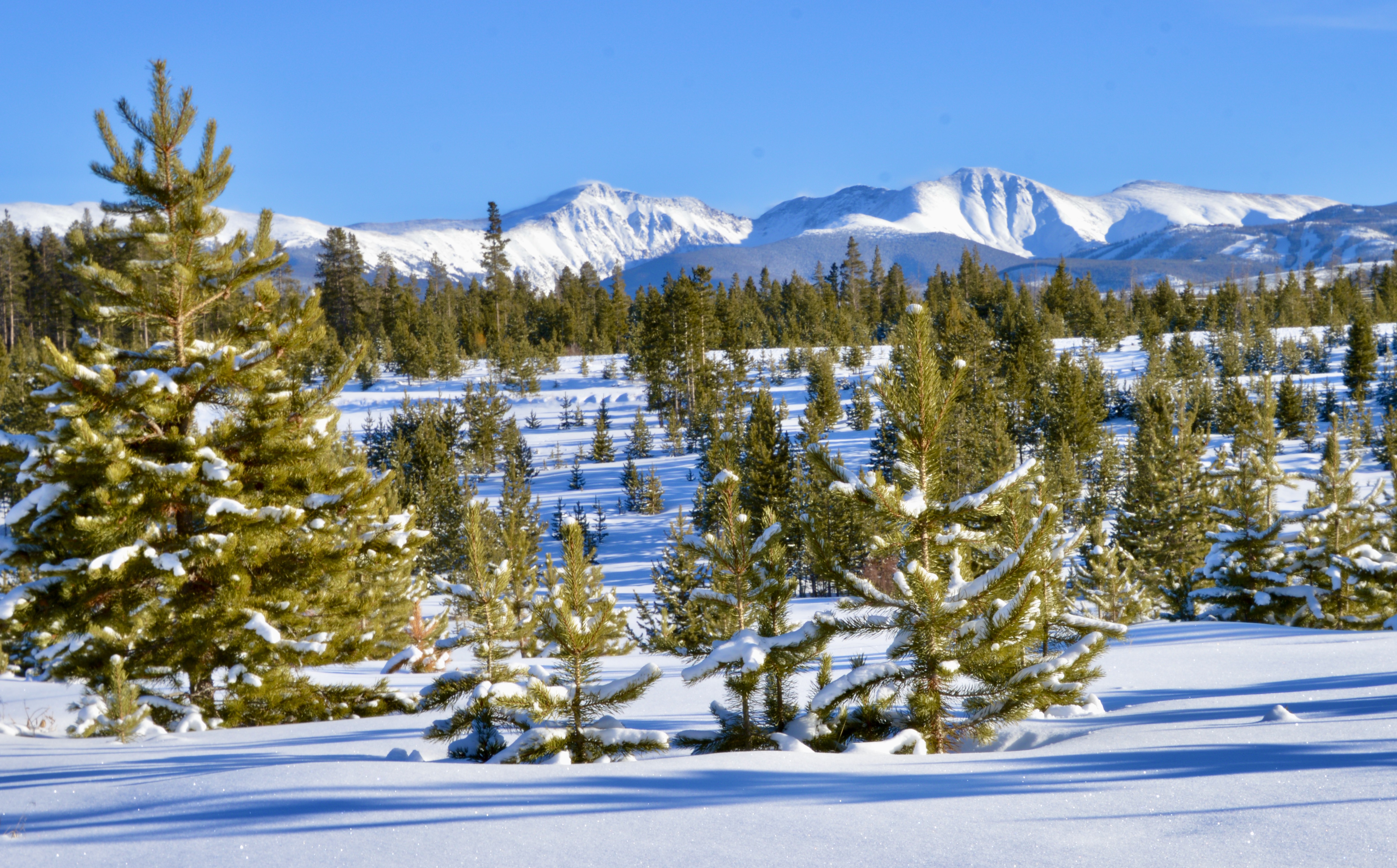


Snowshoe at Rocky Mountain National Park — 1/1/21



Nature Photo Journal #6
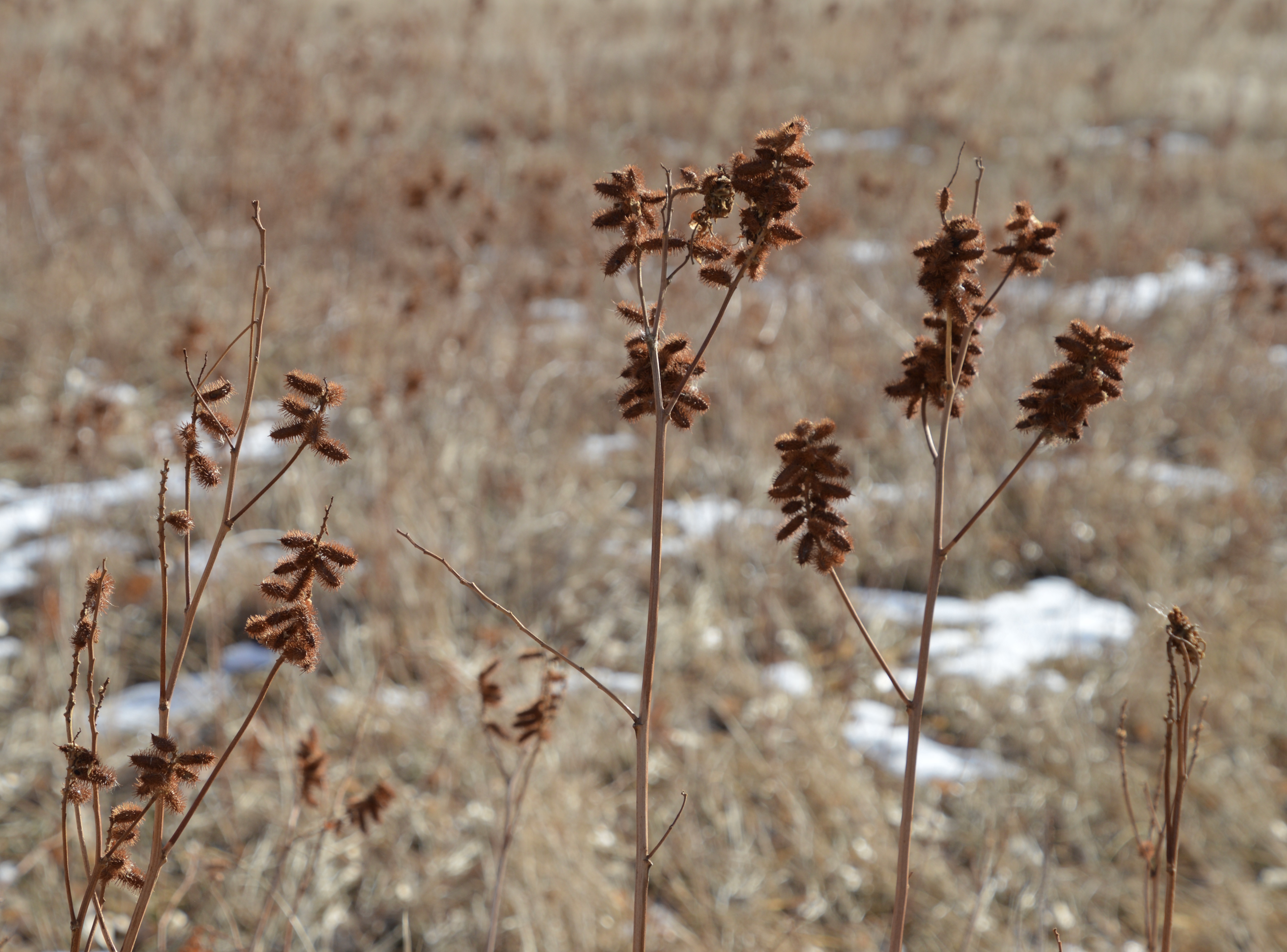
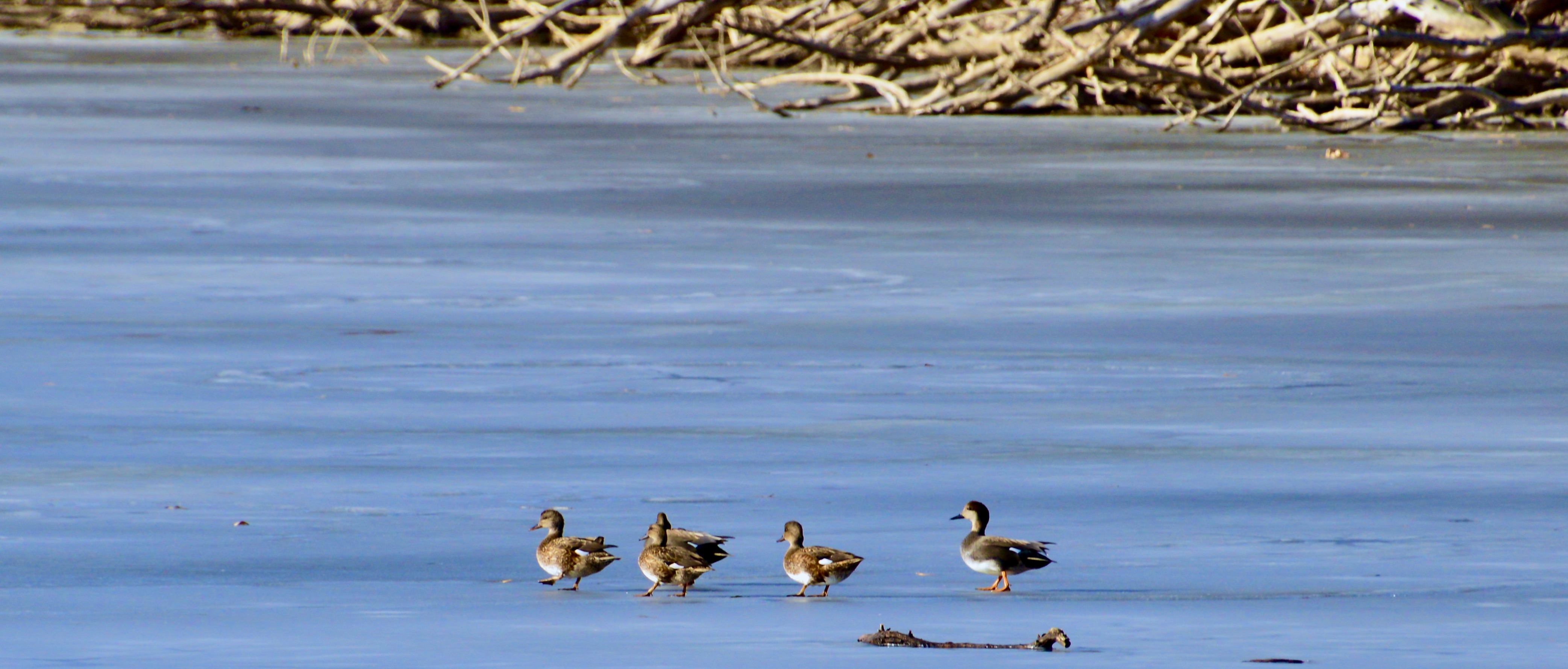
Sometimes I feel that maybe we are living out the fear of that song, you know, the one about the tree museum … nature and wildness locked up in small urban preserves, tucked against settling ponds, rock quarries, and prisons. But thank goodness these important places exist at all. Where would the urban psyche be without these landscape reprieves? We need much more habitat. And I am also grateful for the open spaces others have worked hard to protect.



Nature Photo Journal #5
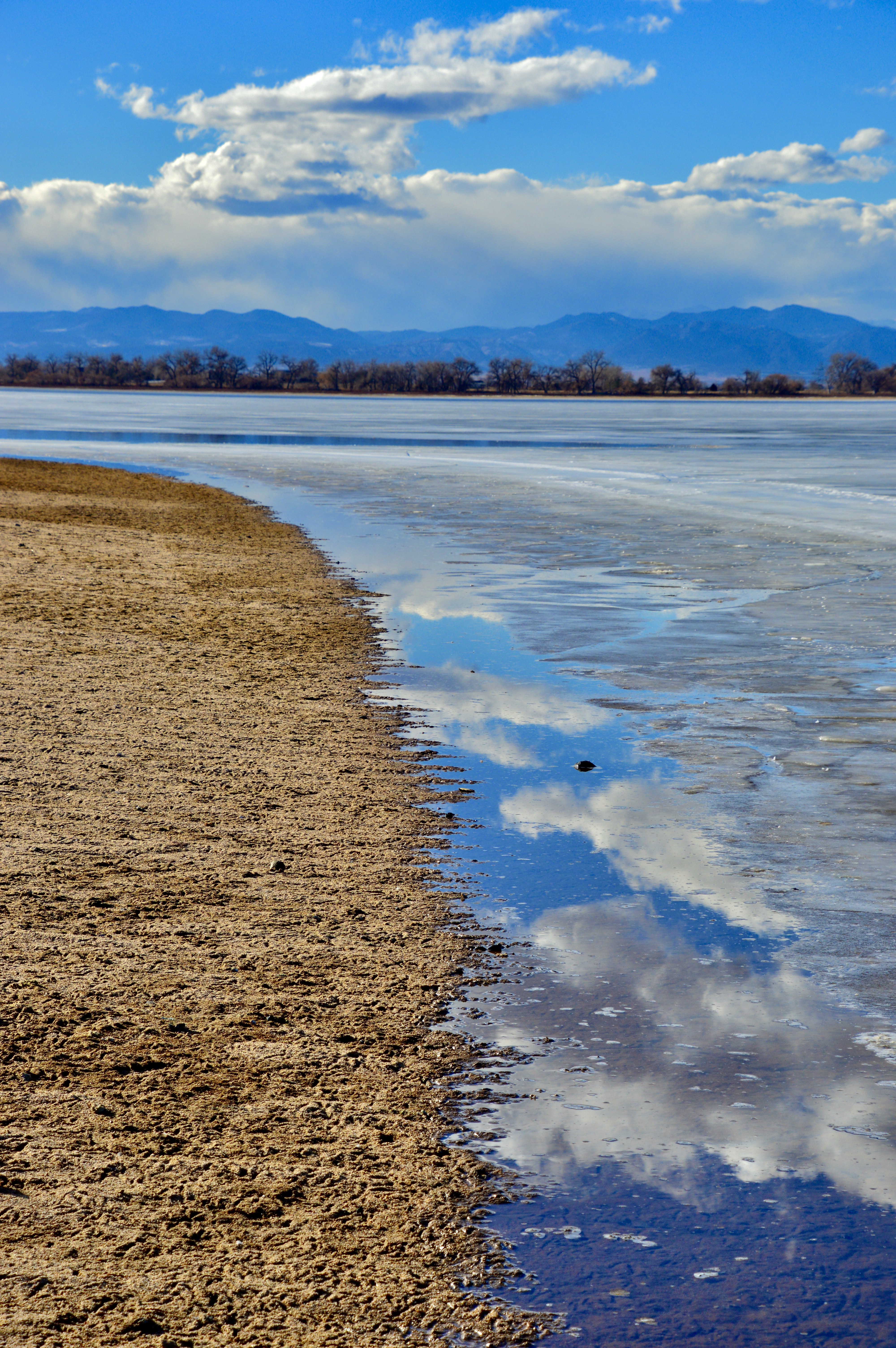
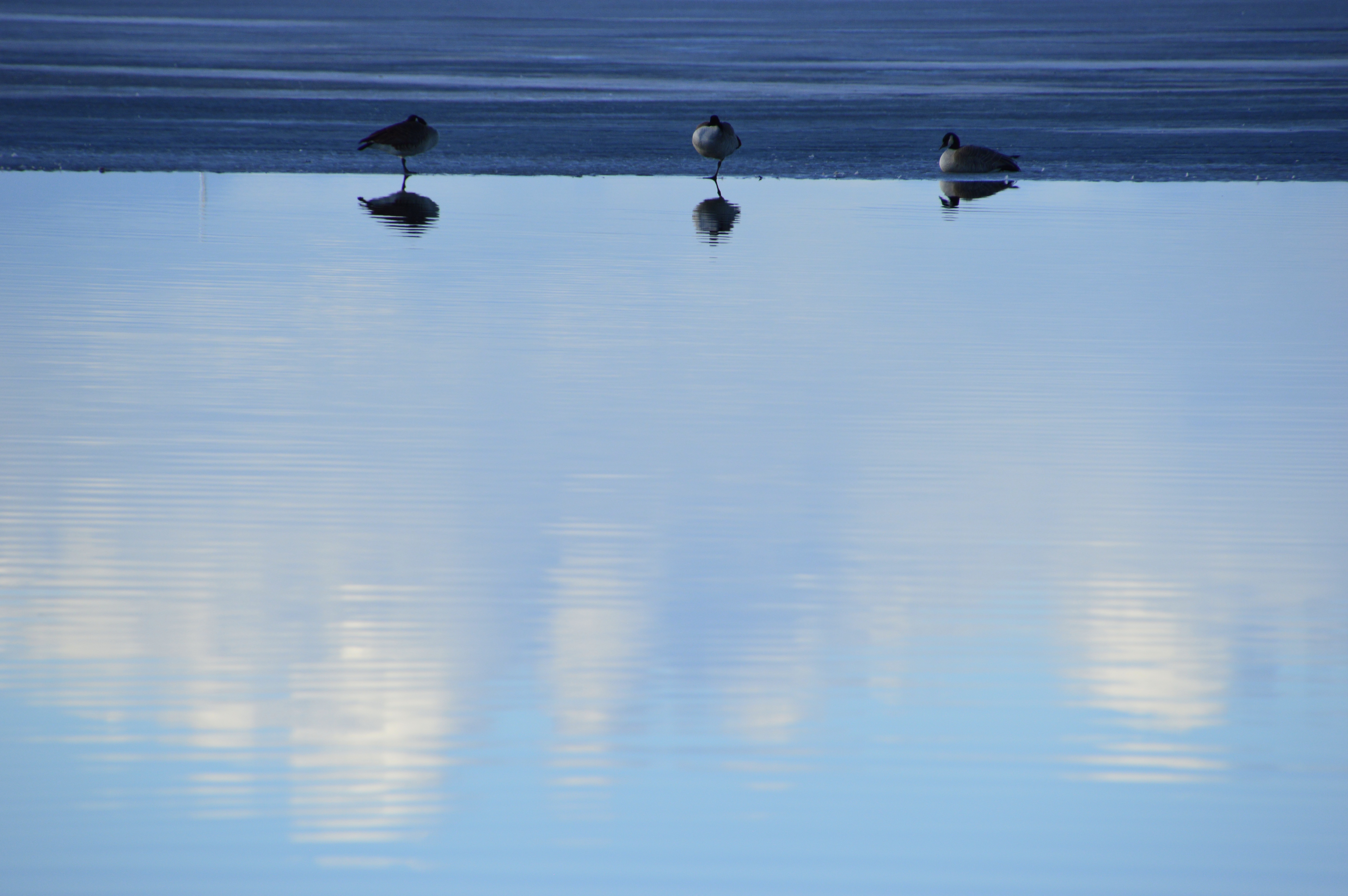
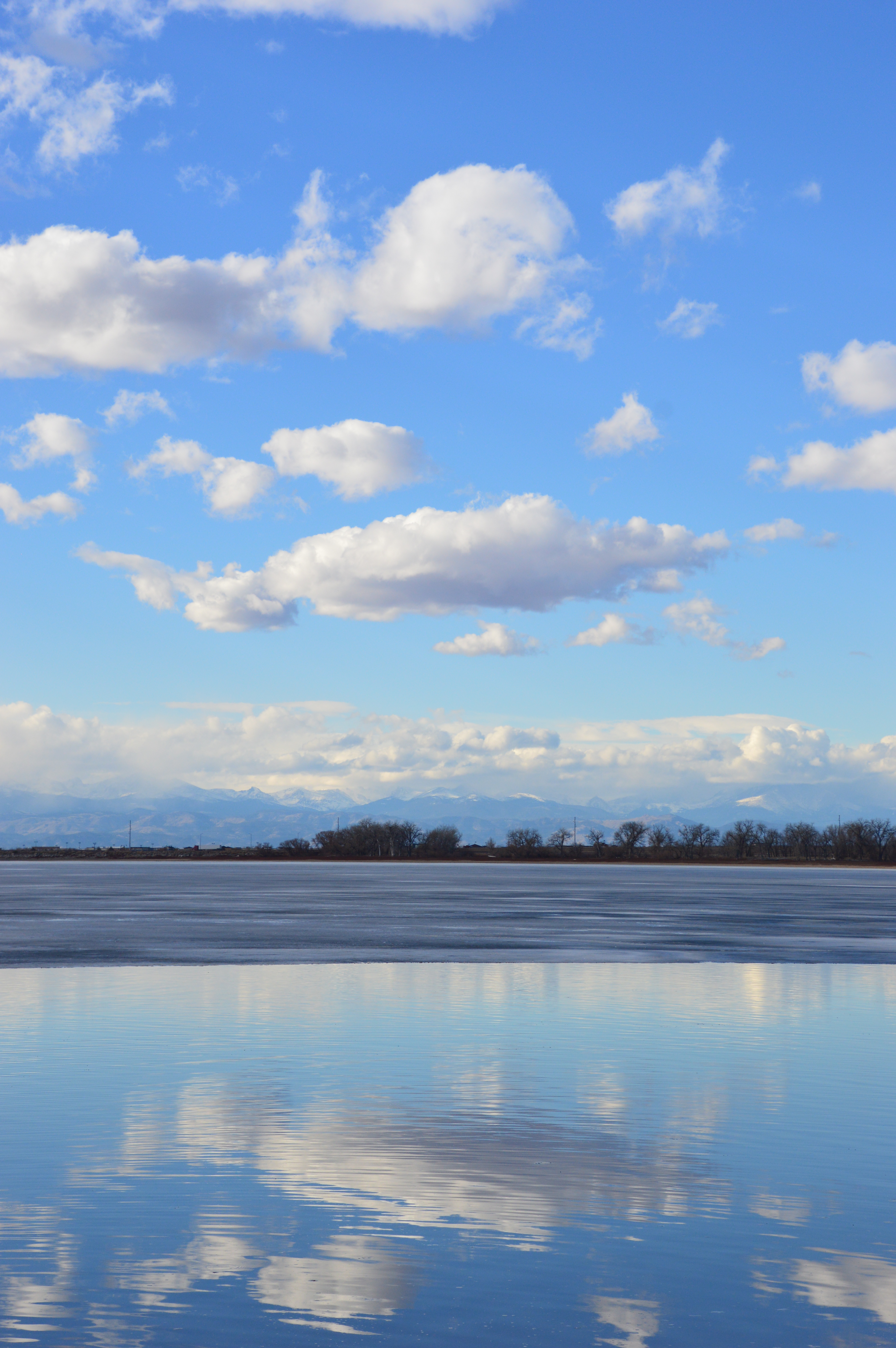
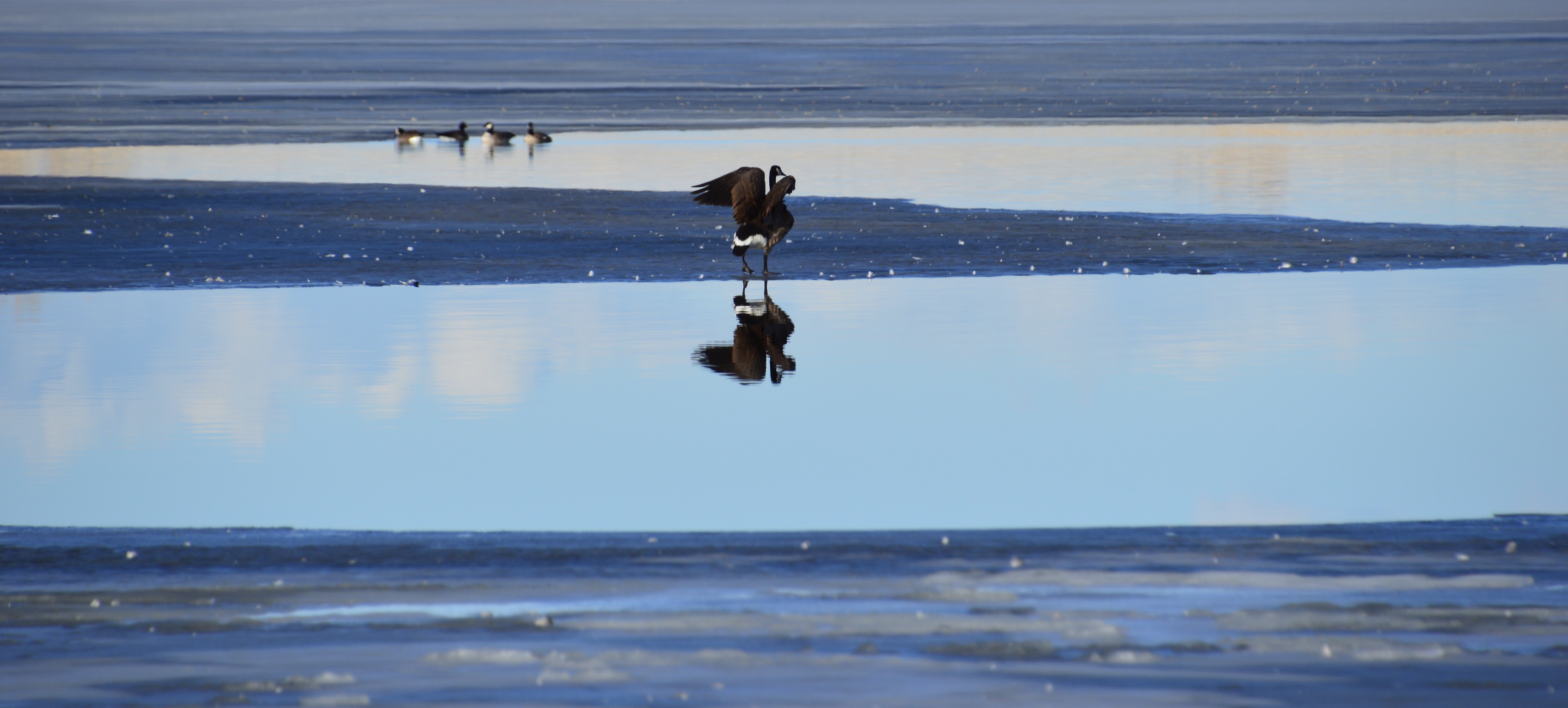
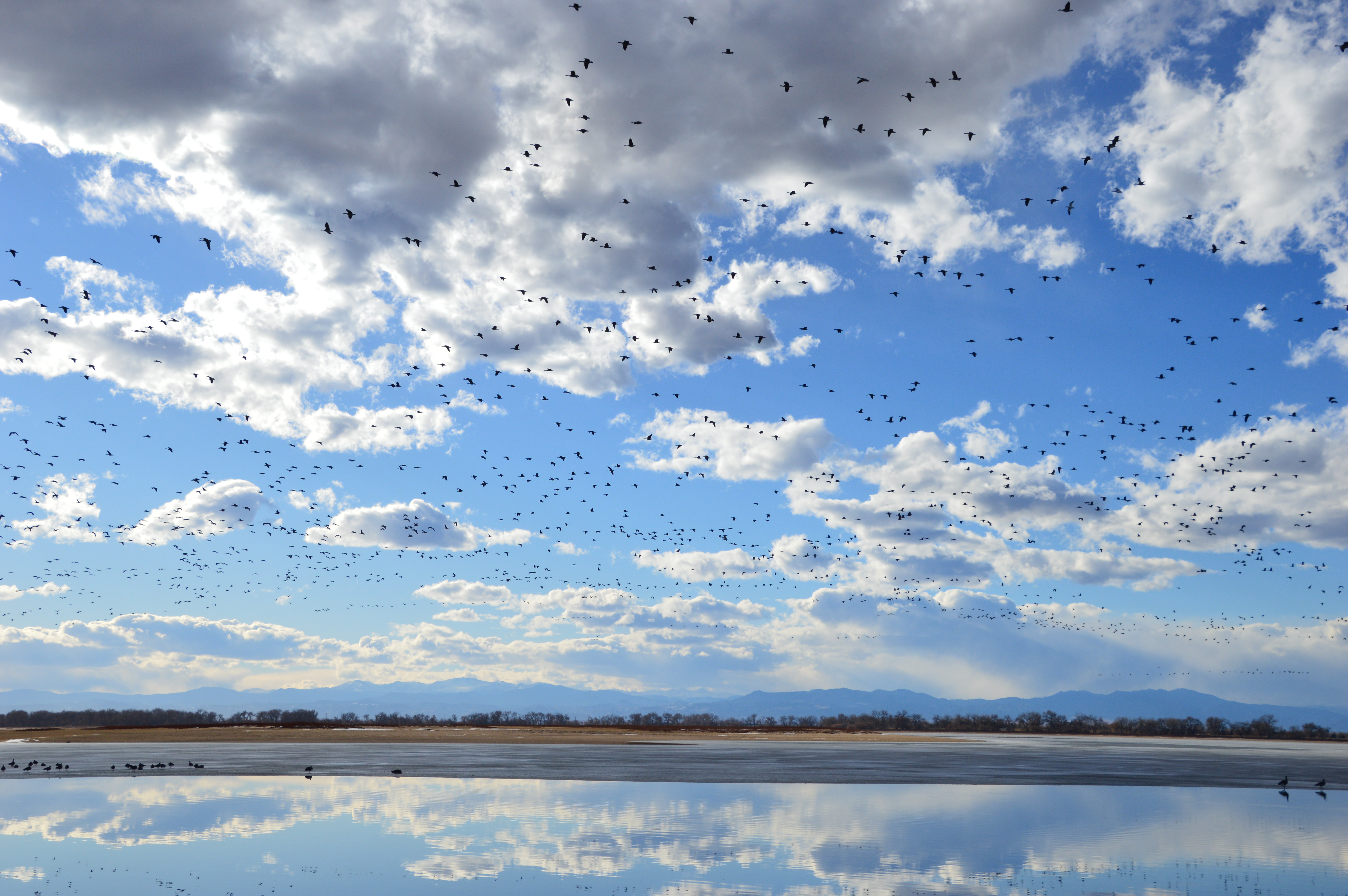
This area has long been a favorite place of mine to wander. The start to the winter season, particularly stunning on this sunny day, offered some fun opportunity to explore the shore. Though the water level is a bit higher than earlier this fall, the beach provided excellent views of a massive flock of geese. And Brennan thoroughly enjoyed tromping along, breaking up the ice on the edge, getting her boots stuck in the mud.



Nature Photo Journal #4
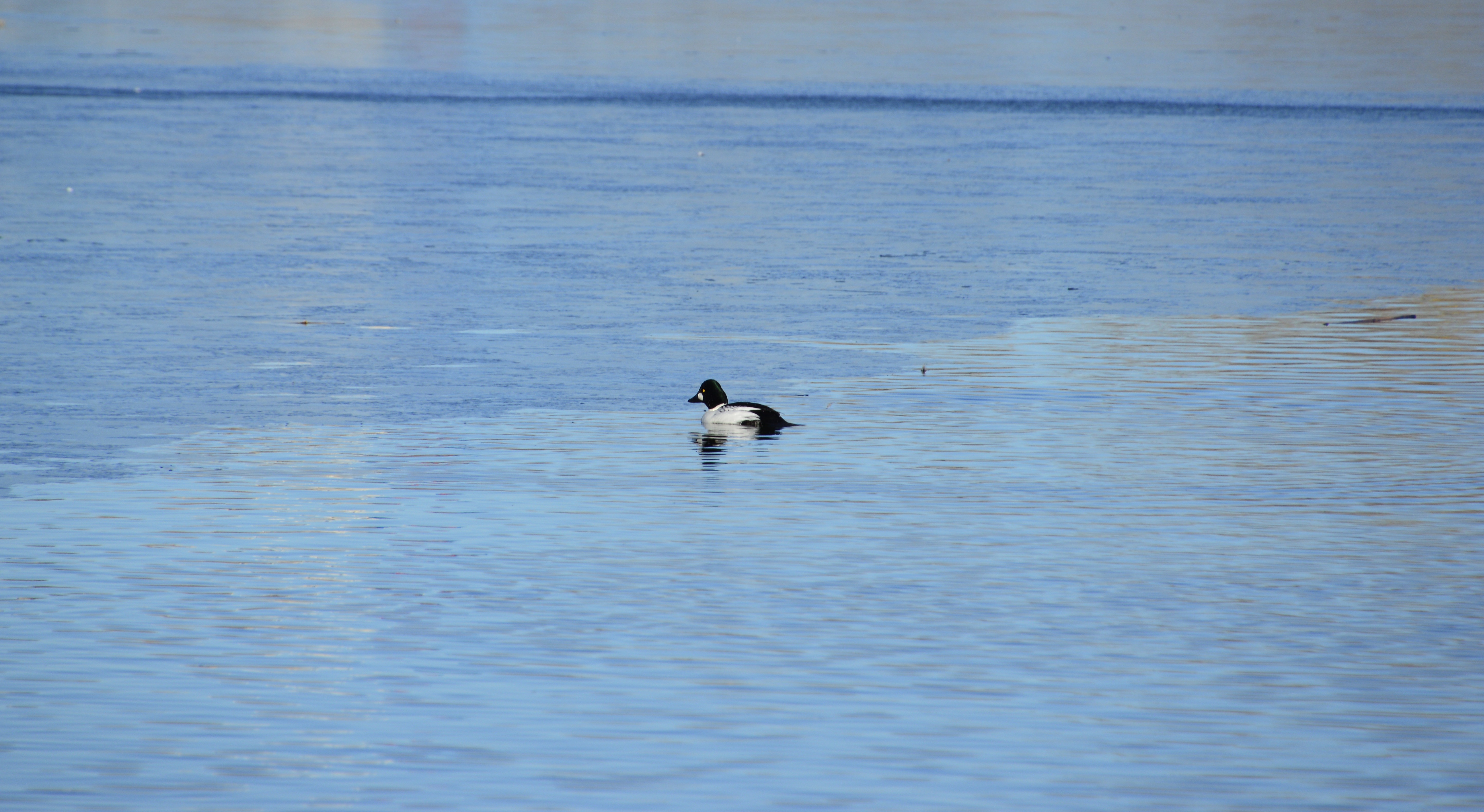
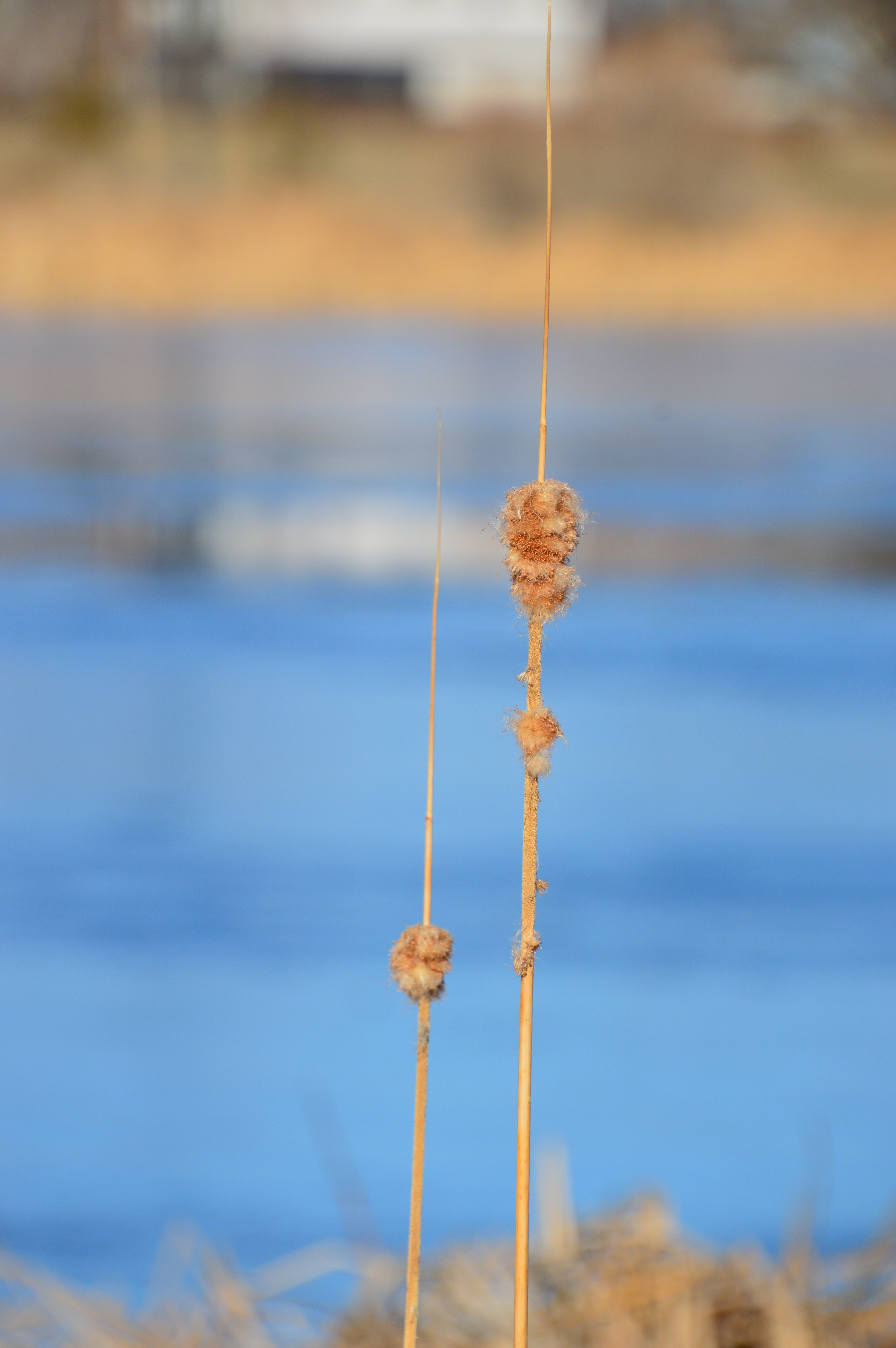
I feel incredibly fortunate to live across the street from this lake. Though tucked up snug against I70, ducks arrive throughout the winter and nature emerges in every corner.




Nature Photo Journal #3
From landscape to detail, and animals on the roam, this is a wild place in the middle of urbanity …




Nature Photo Journal #2
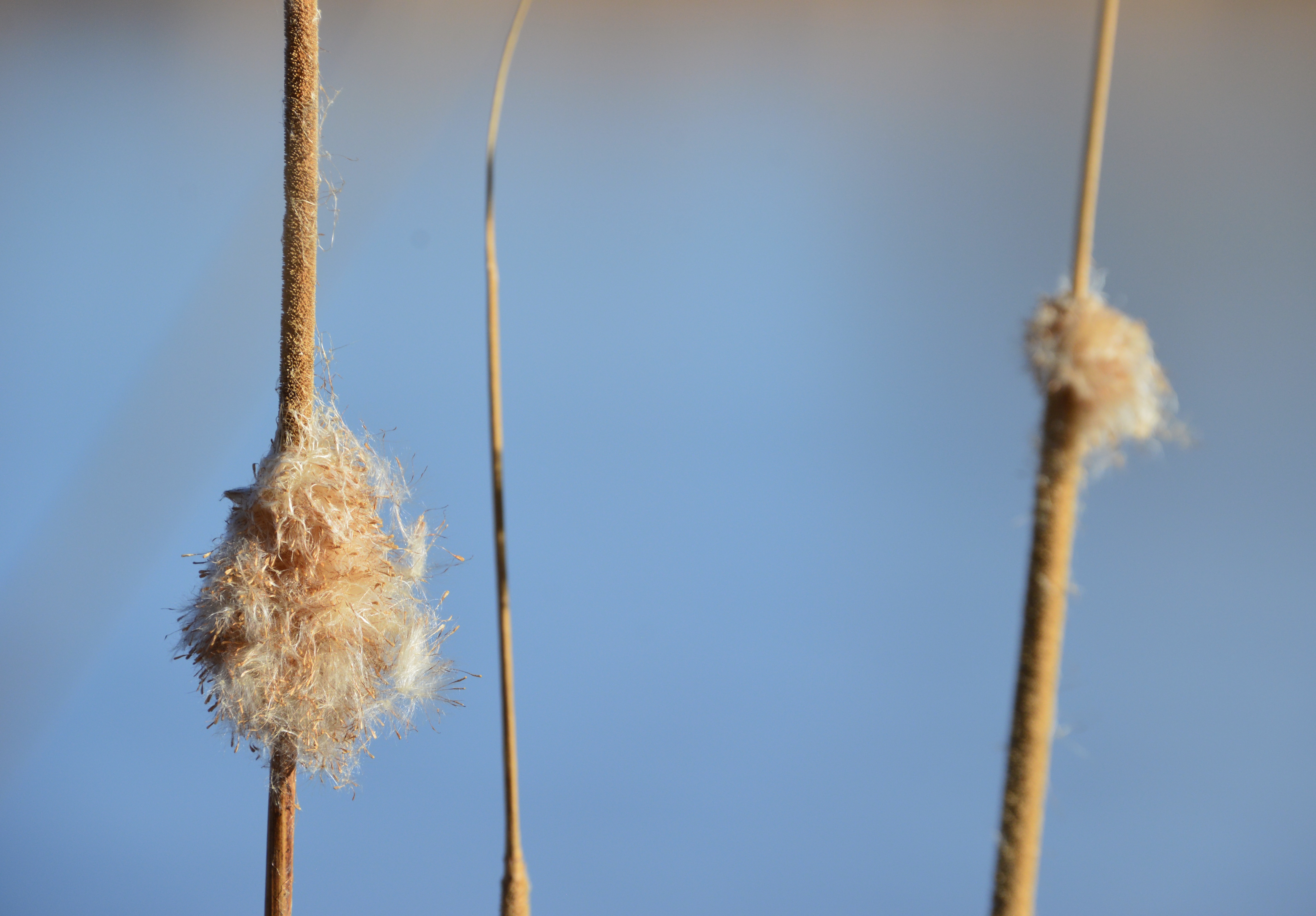
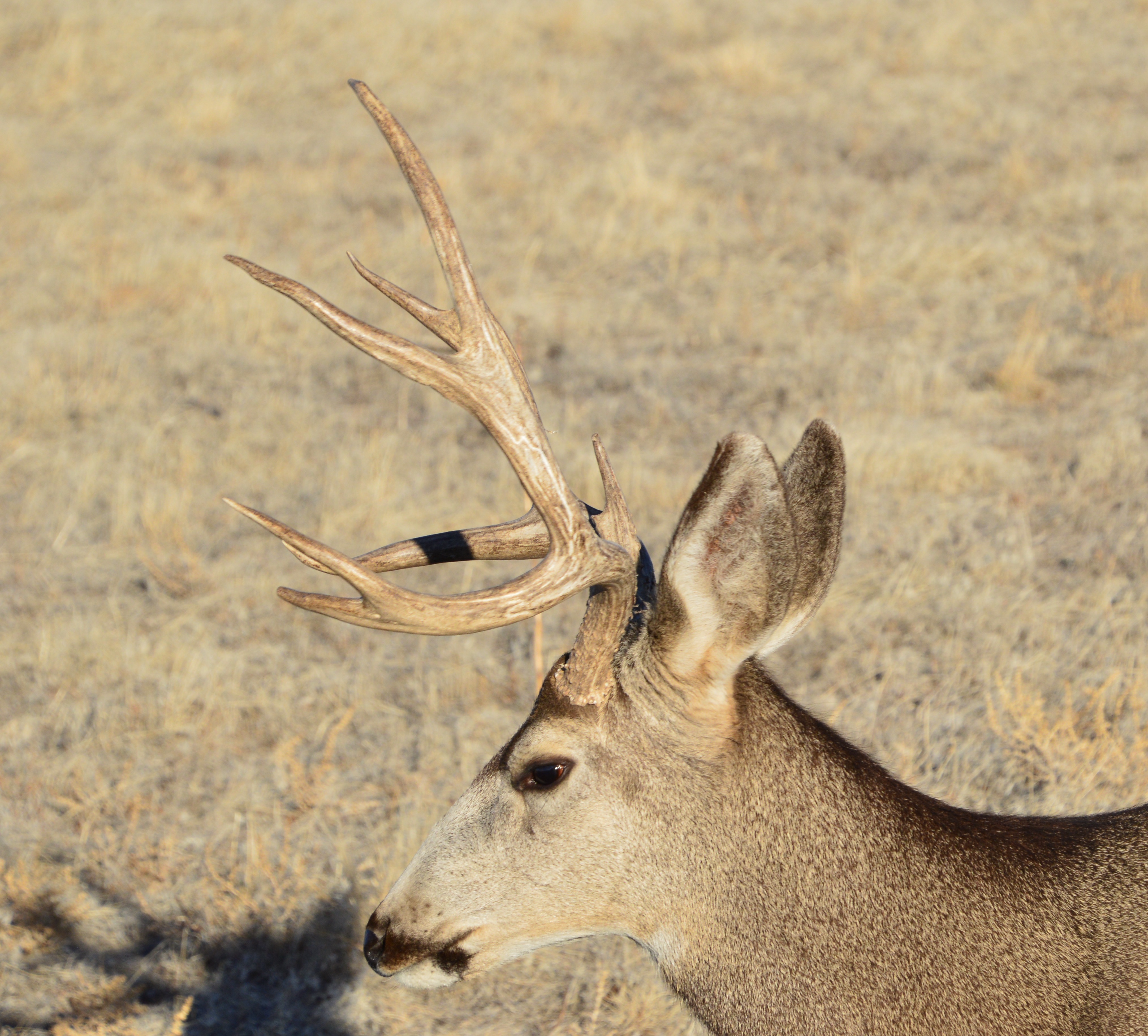
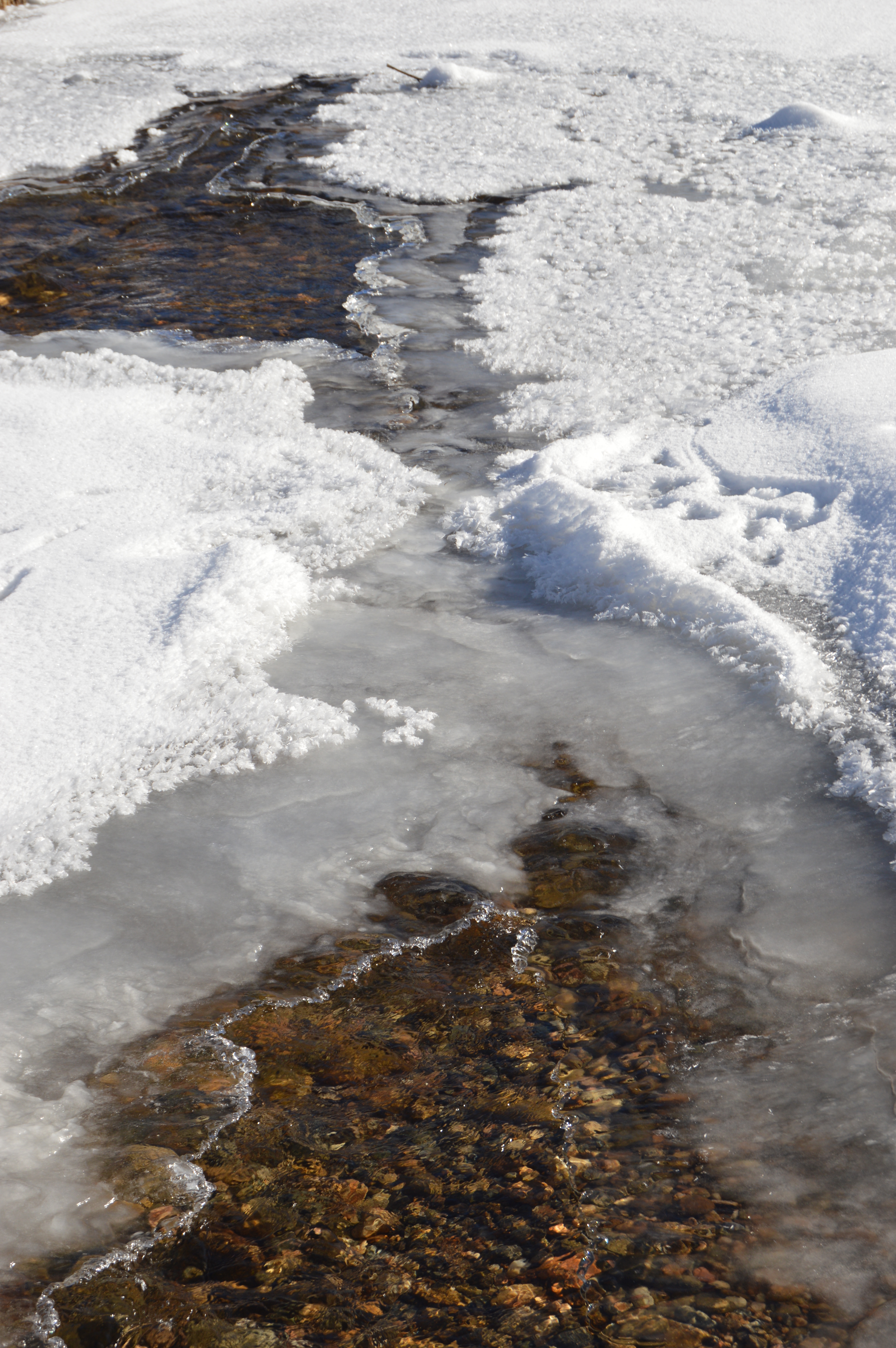
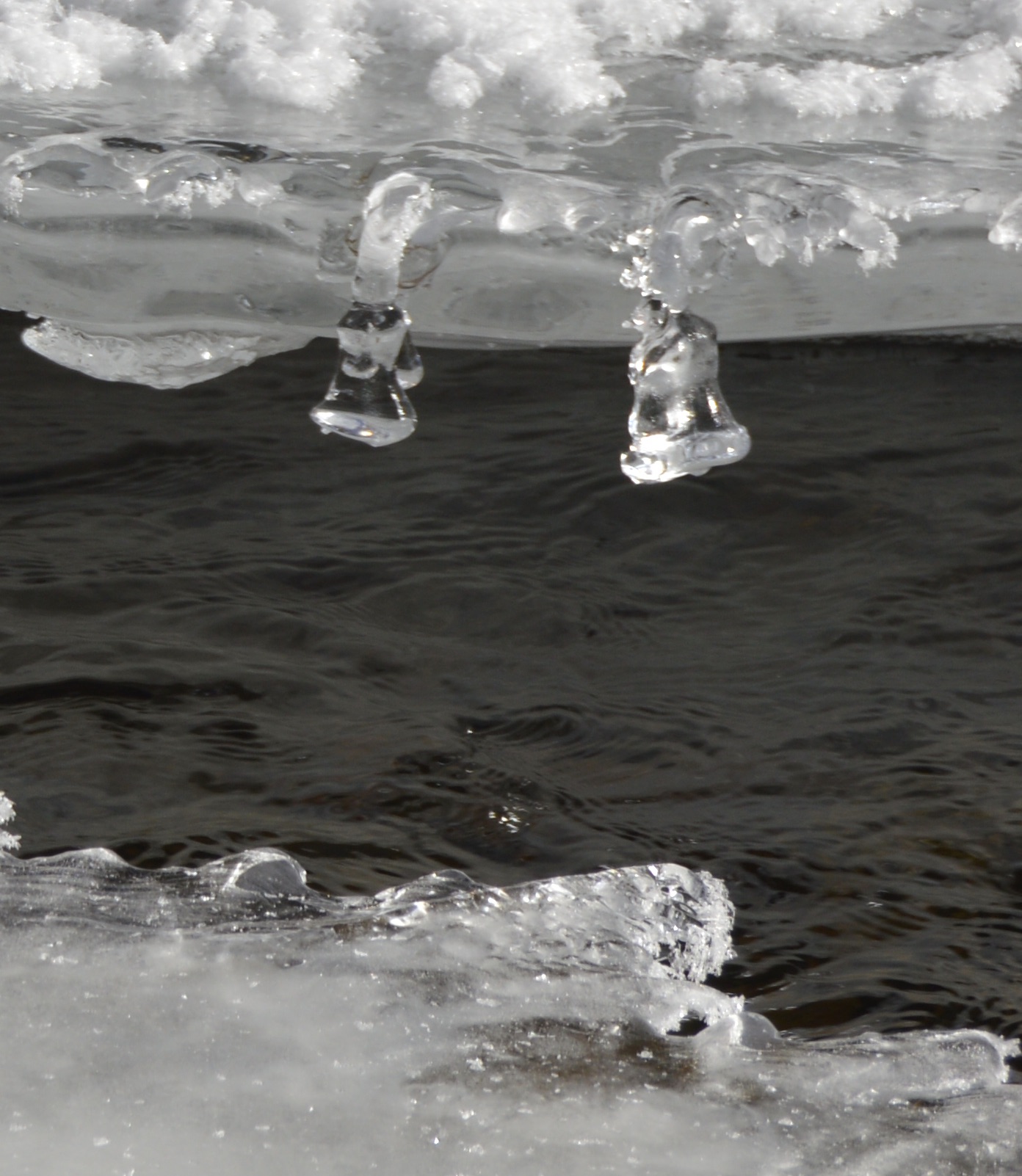
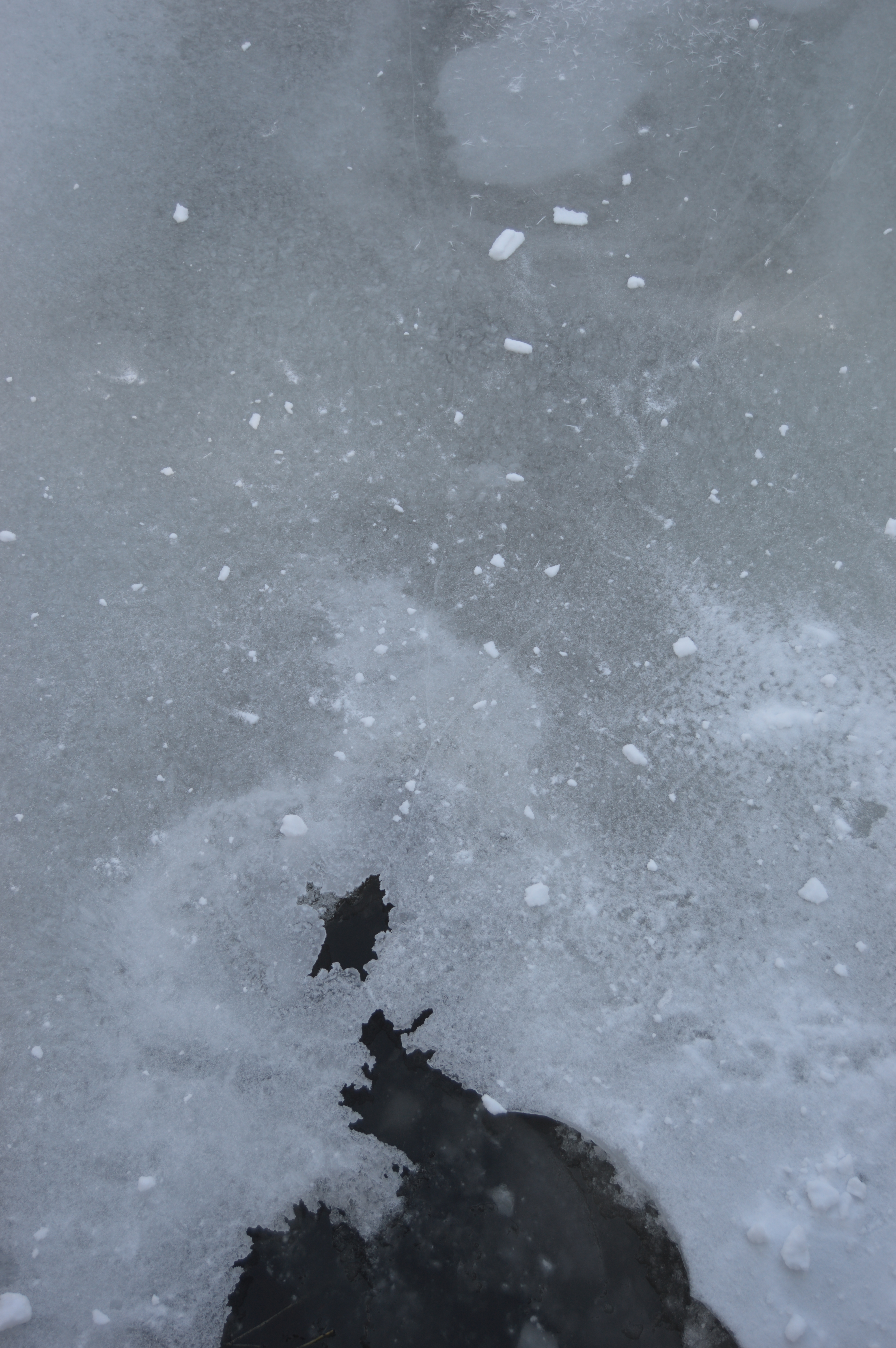
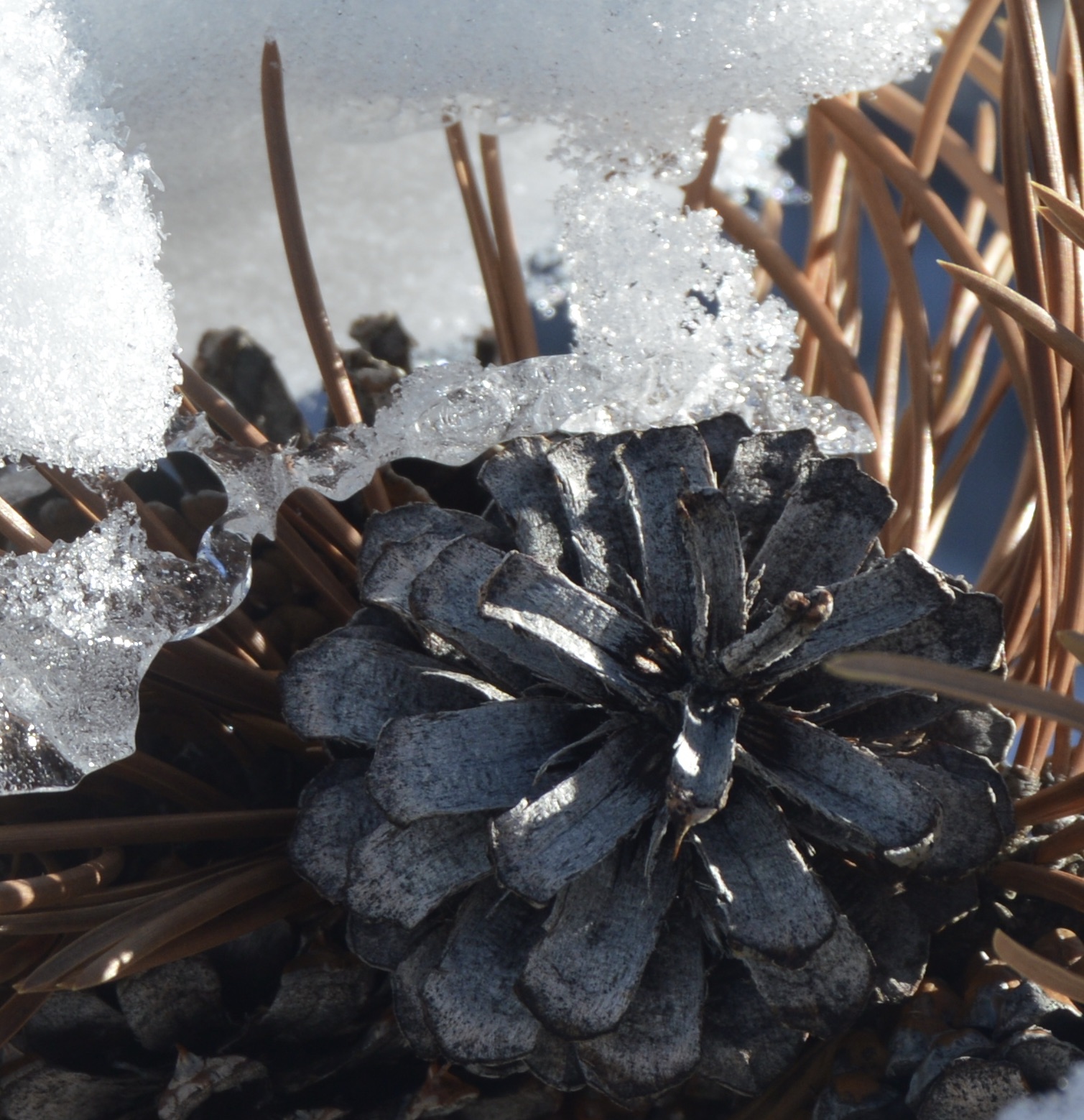
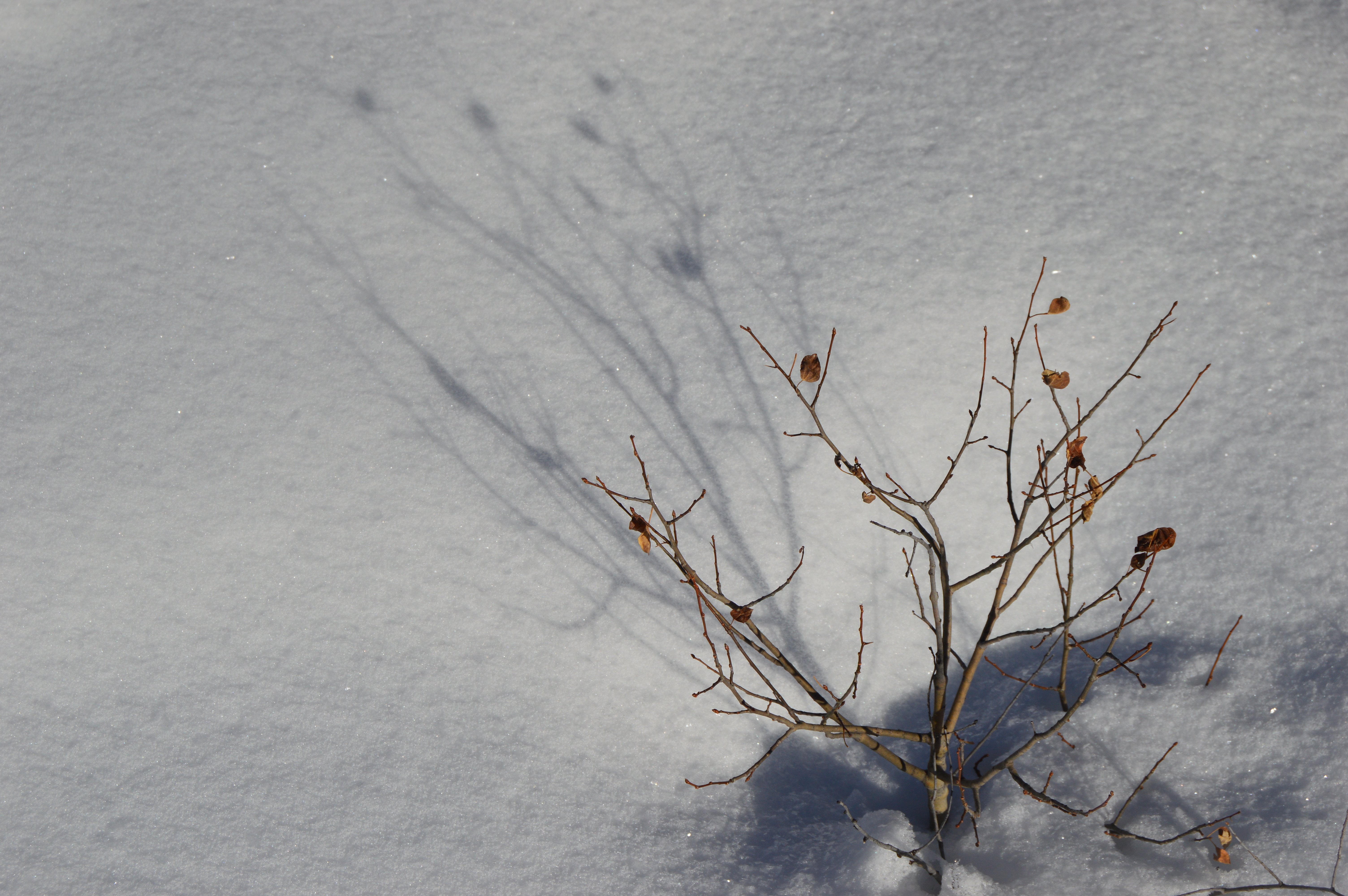
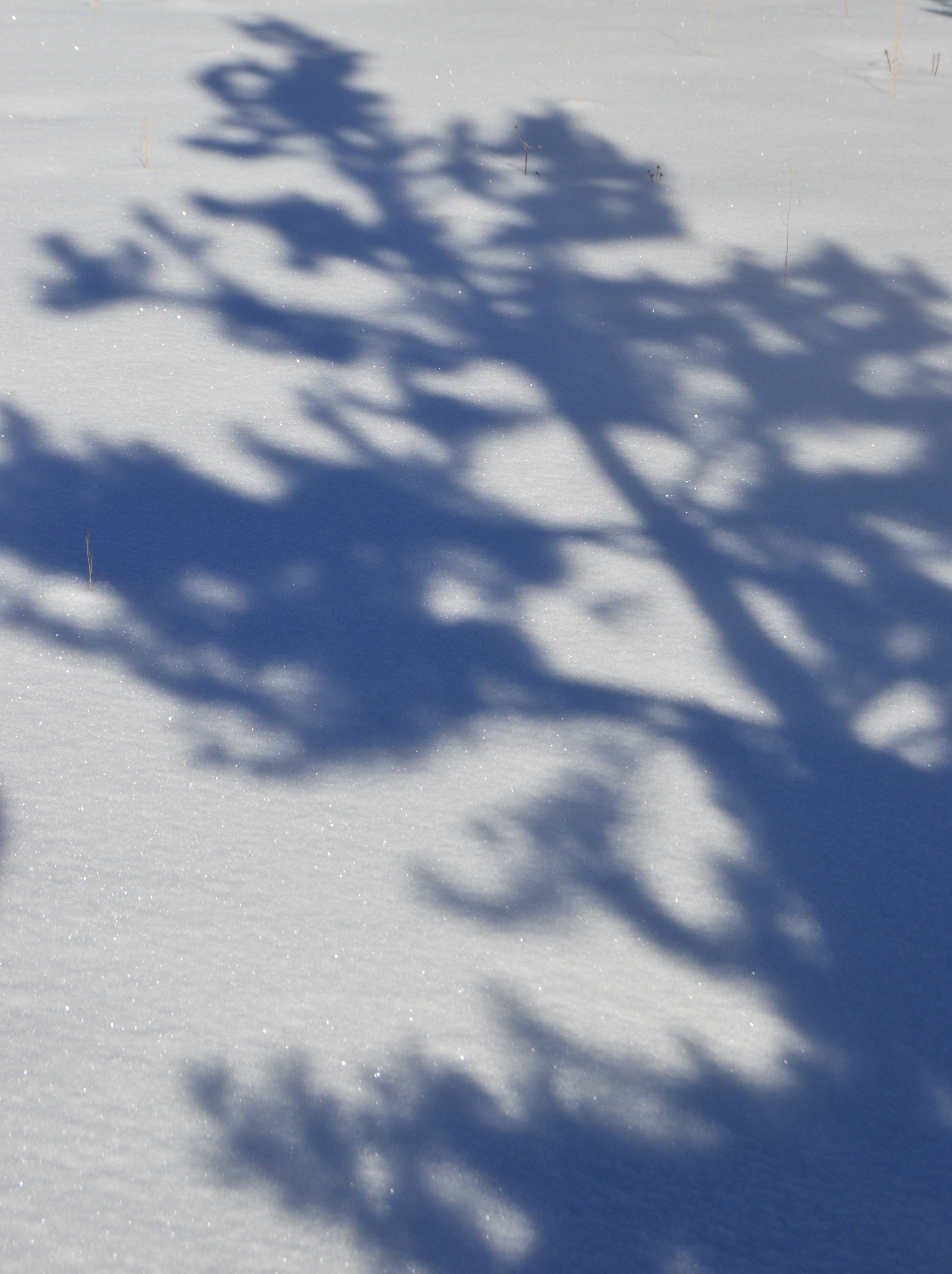
This is a beautiful spot that Brennan and I have been exploring in every season. There are gaps between the rush of bicycling and cross-country skiing to see the details in the landscape …
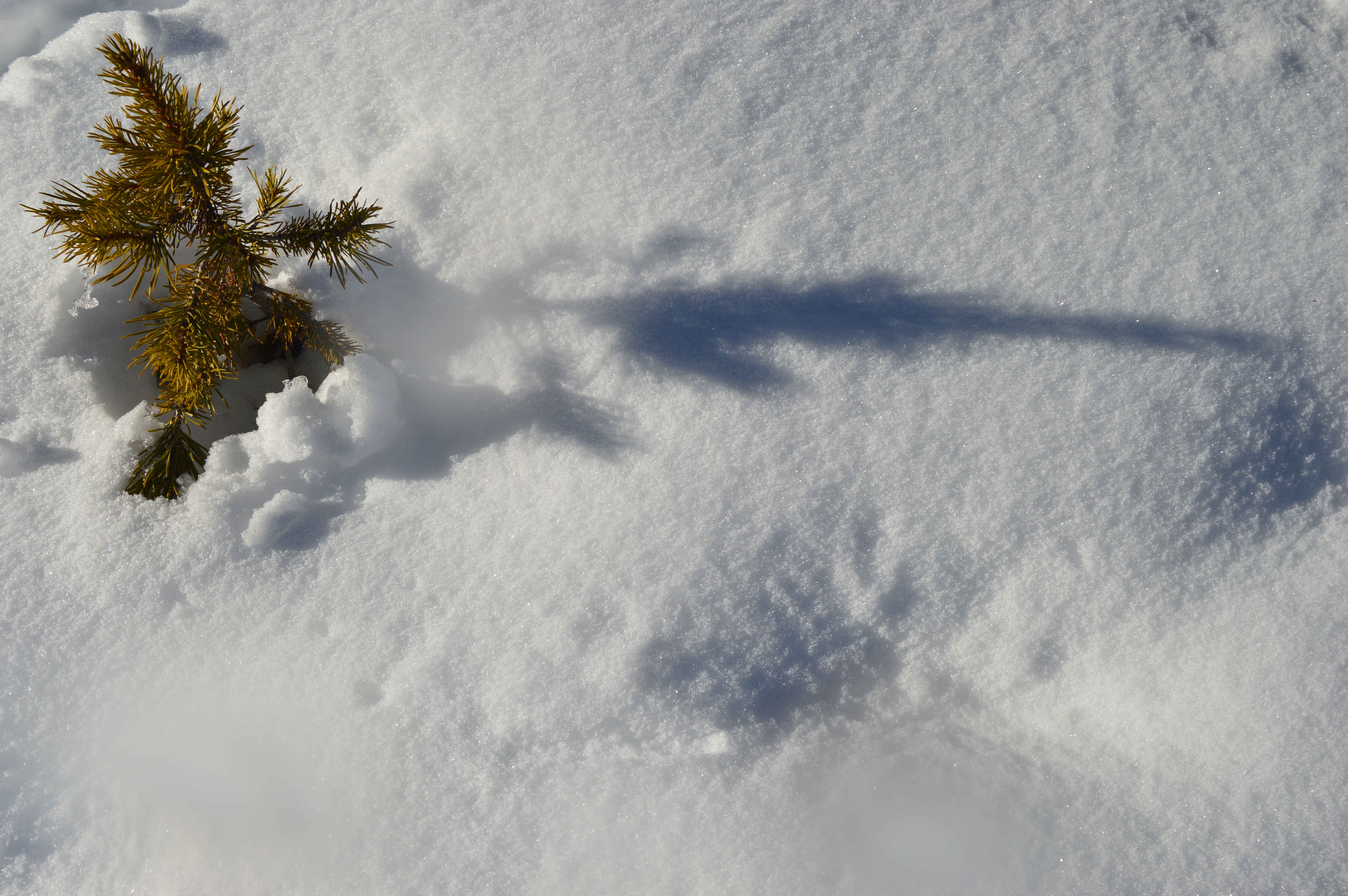
Ice and Snow

Shadows



Nature Photo Journal #1
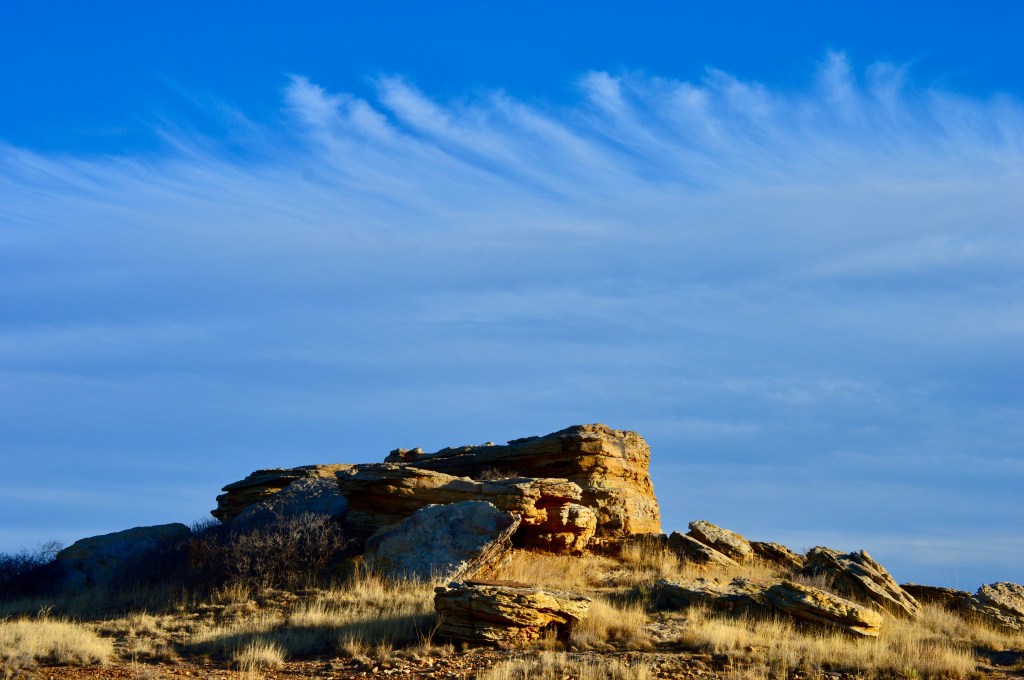
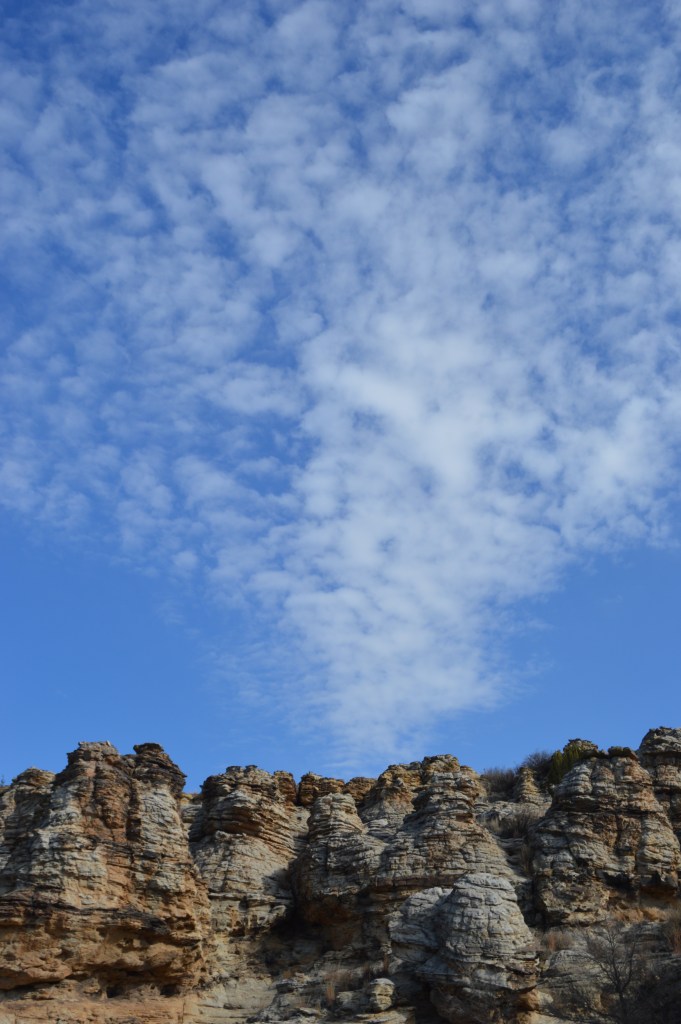
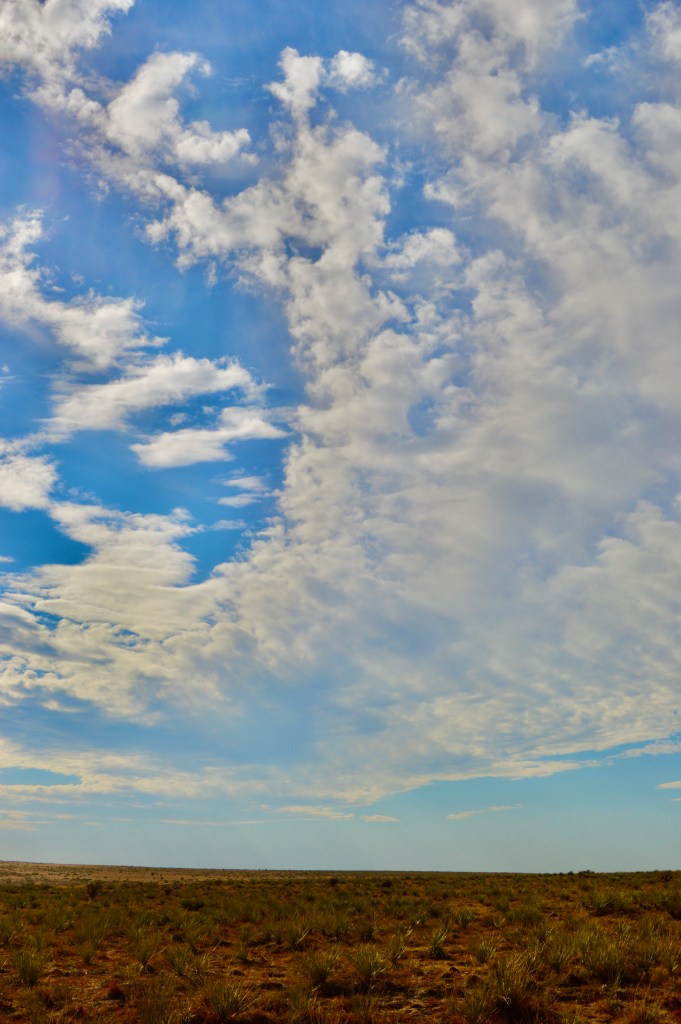
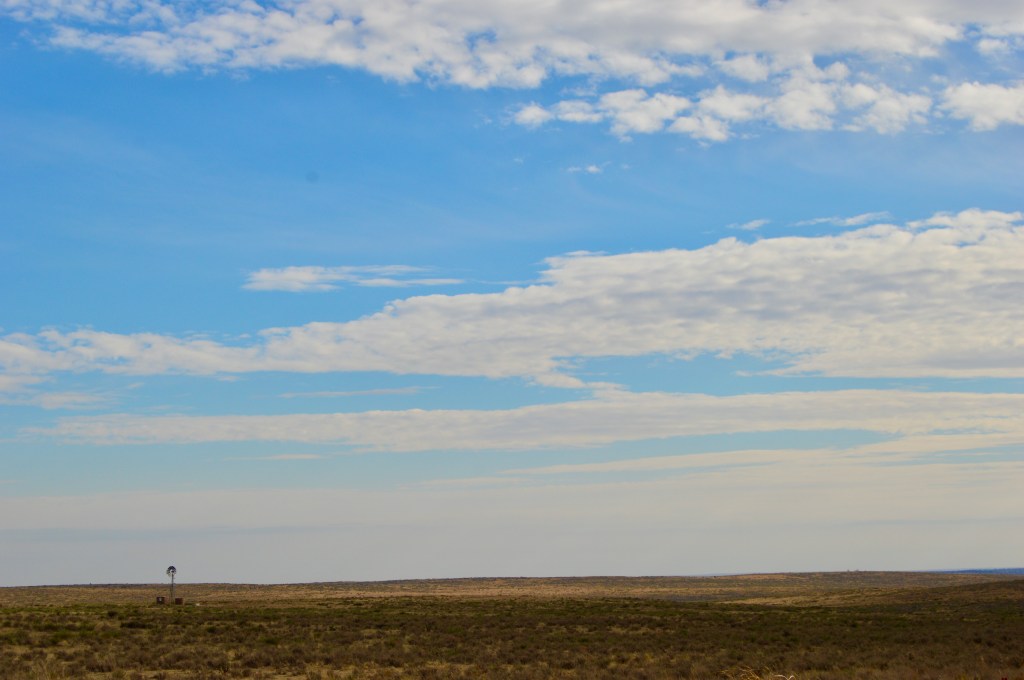
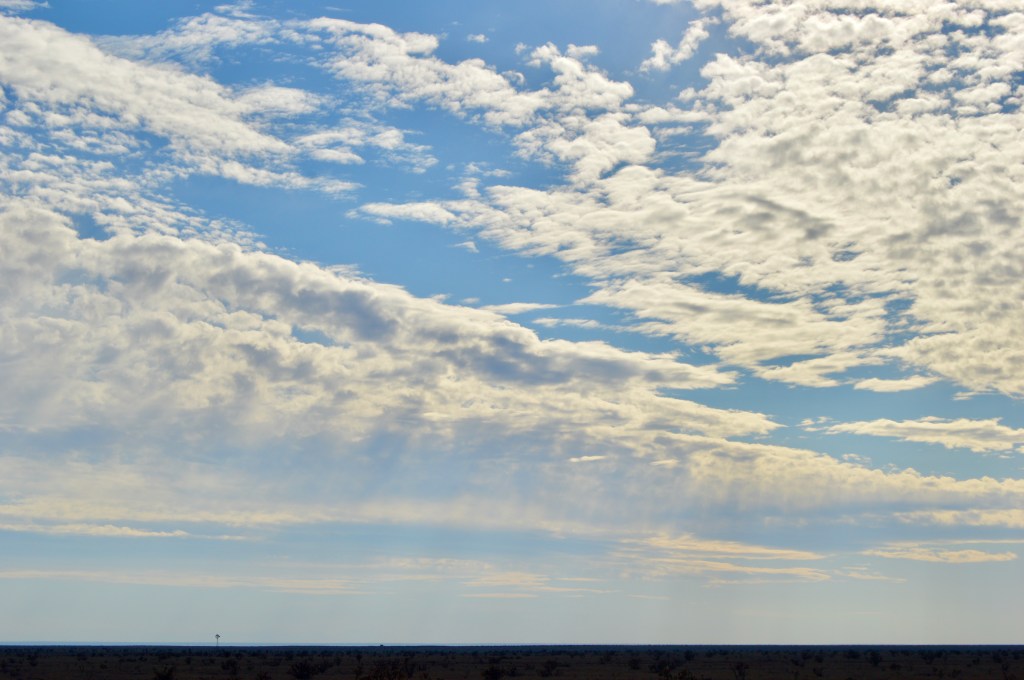
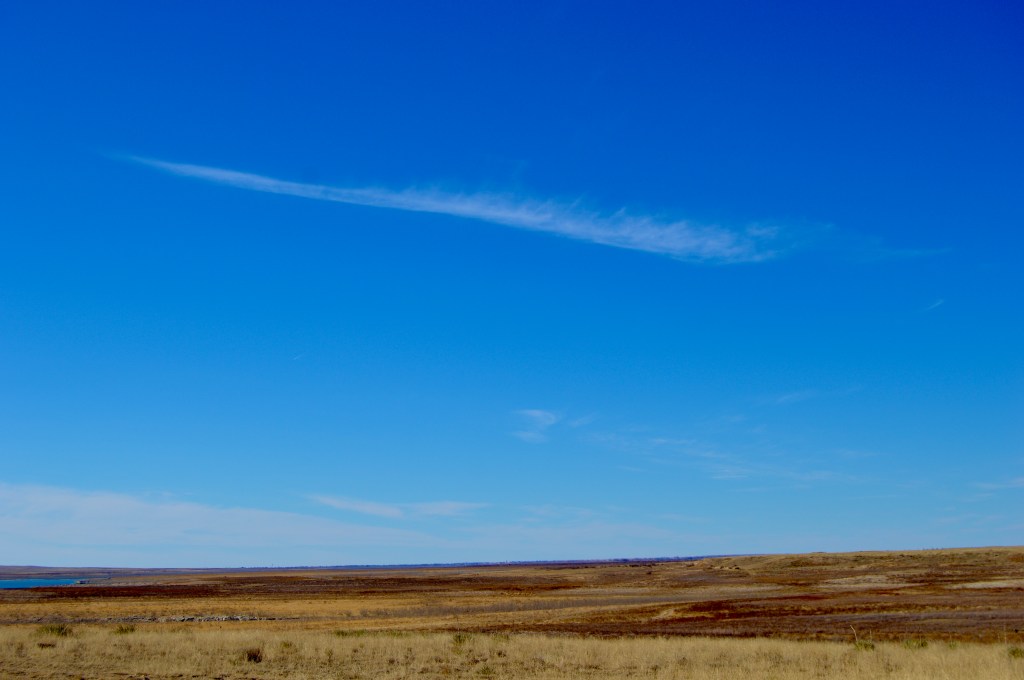
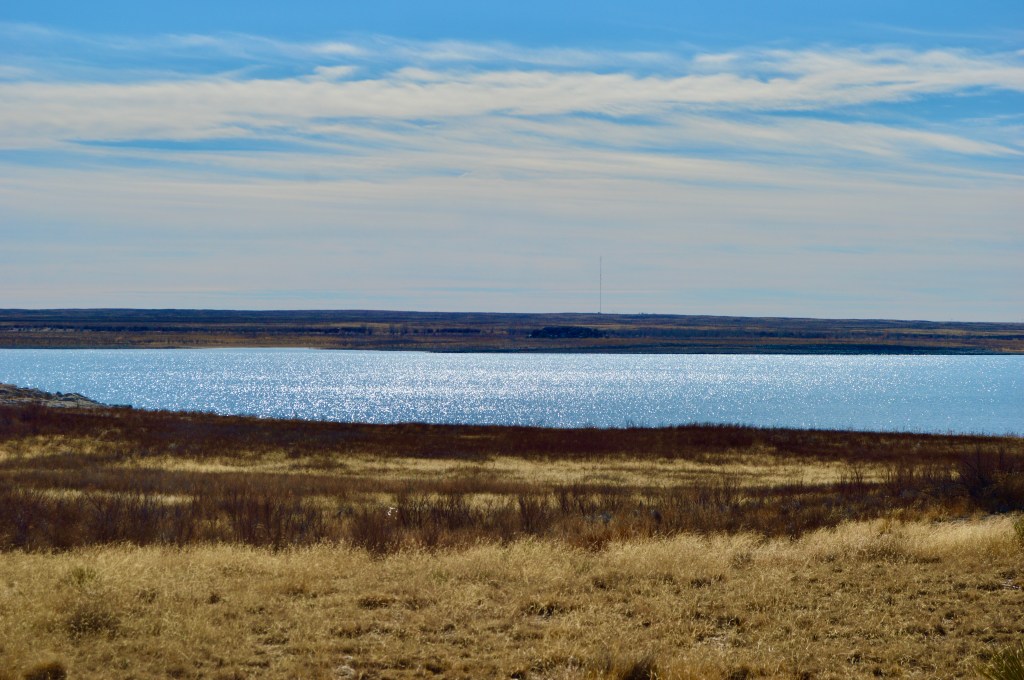
A change of Thanksgiving plans, slightly warmer weekend weather, and a whole corner of the state I’ve only driven through once … the sirens of the road and grasslands called.


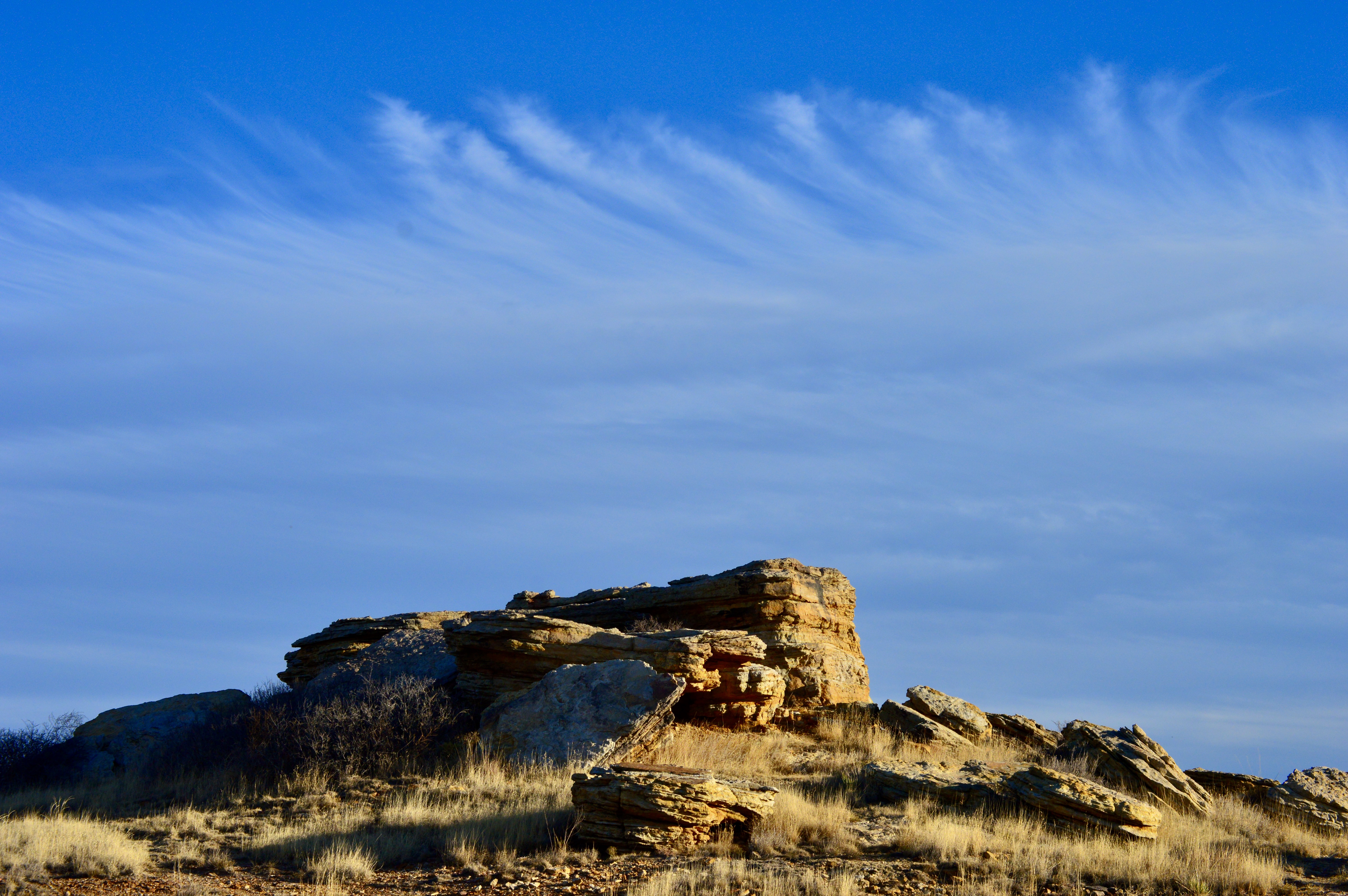

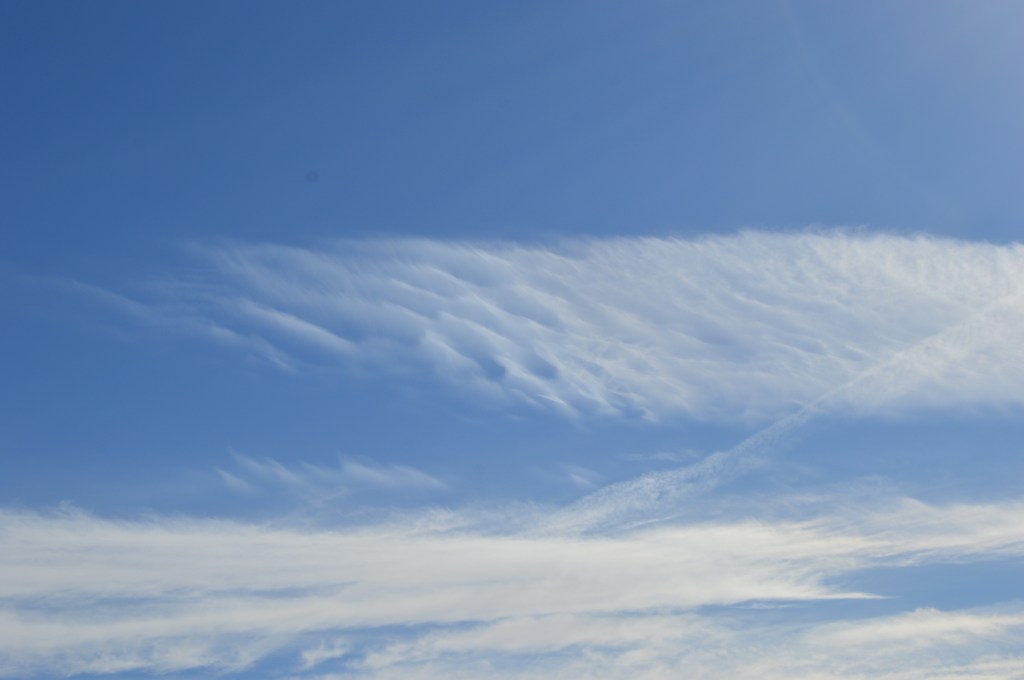
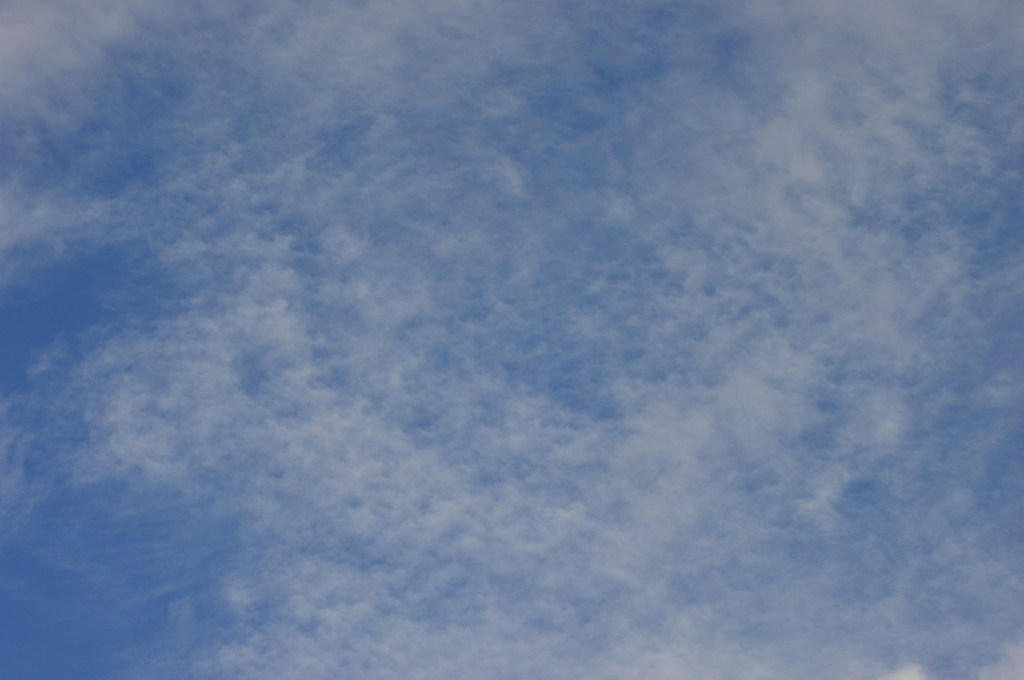
The weekend was a study of clouds …
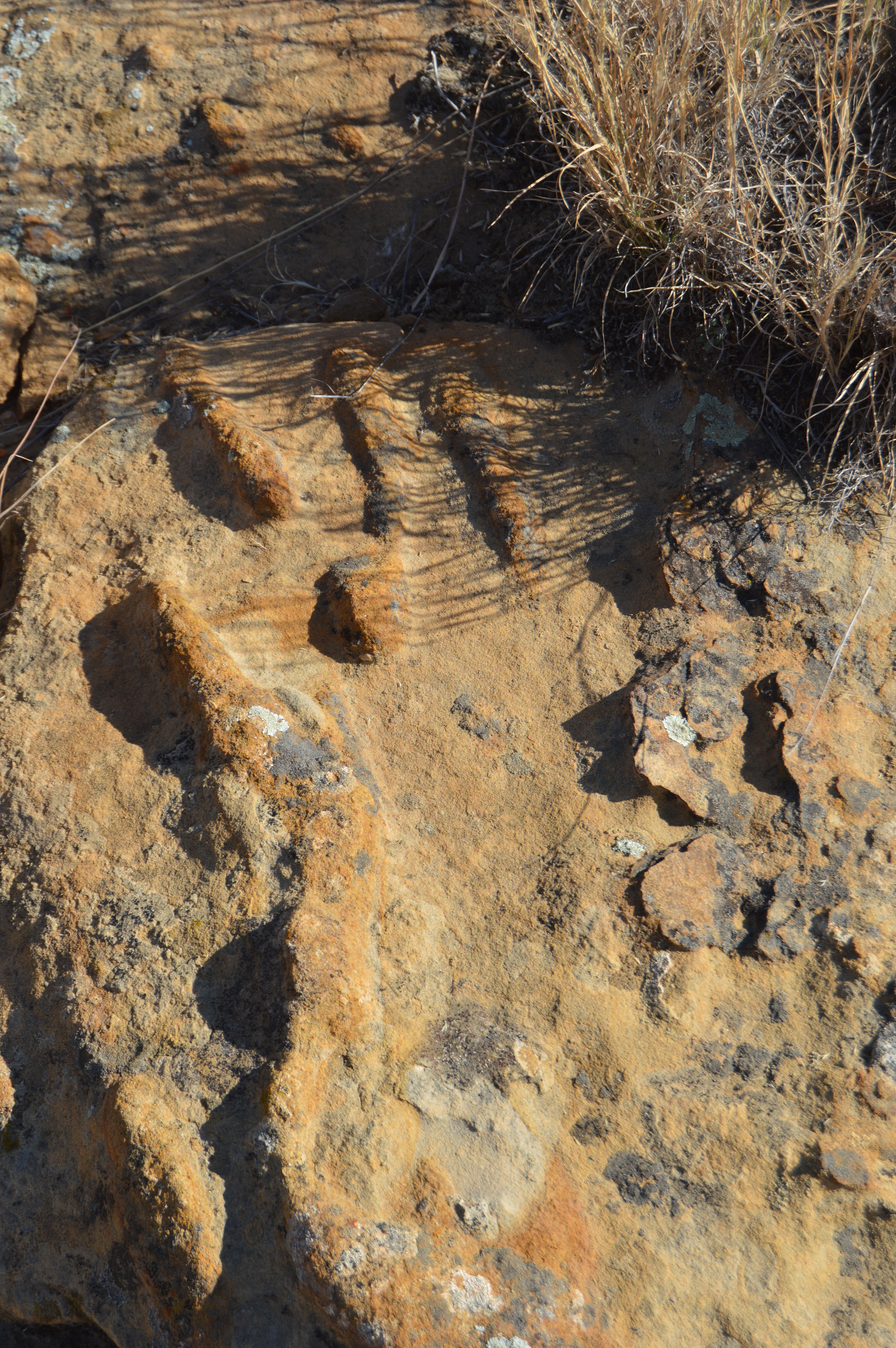
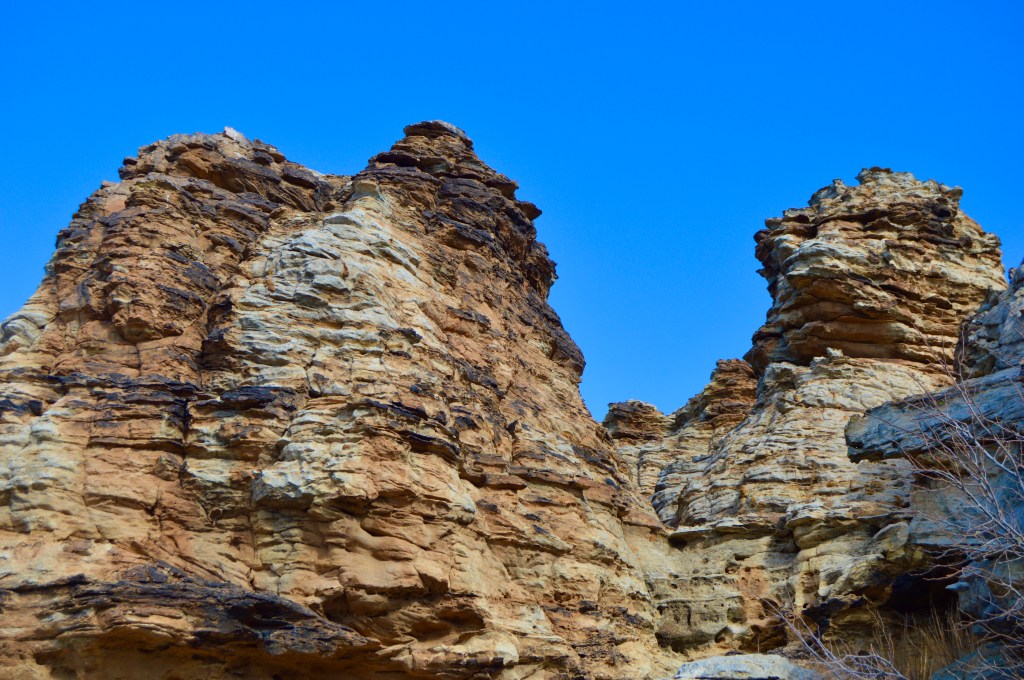
Geology …
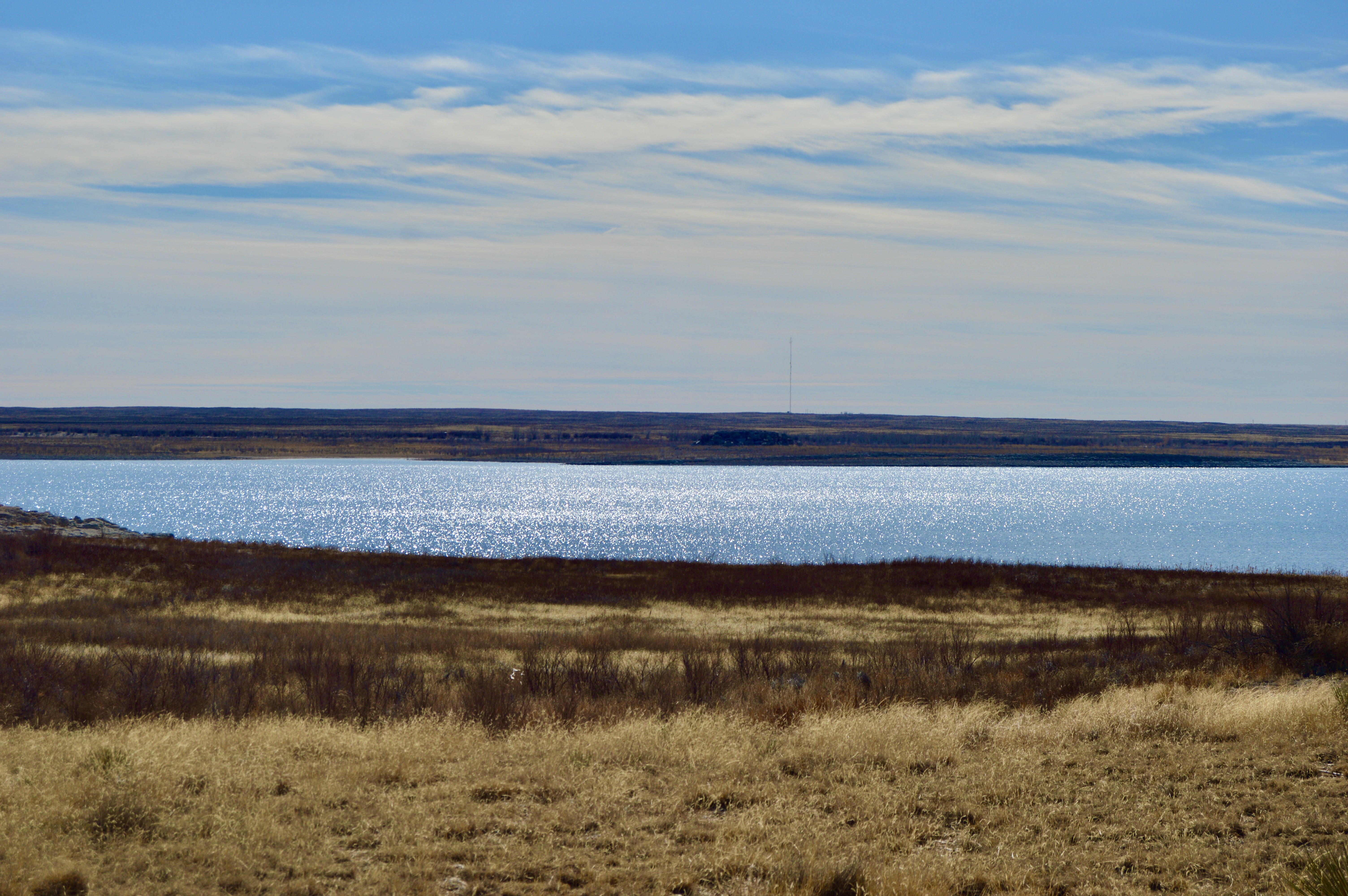
And wide open spaces: vastness enough for the mind to wander and to escape the travails of the world. Even if for just a day …
Virtues of Travel: Part 11
Since much of my free time beyond family and work has not been focused on writing but on outdoor experiences and environmental advocacy, (whether through the Friends of Colorado State Parks, or my new obsession with birding which has taken me from Alaska to Florida), more than a year has passed since my last post, ‘Change‘ (#10 in this Virtues of Travel collection). In that time, I have come to realize that my travel and my travel writing has always sought a sense of place.
Though I’ve hit the road many times in the past year, I’ve returned to seeking out this sense of place, a place of stillness and contentment as simple as my daily walk through the park across the street from my house. This is a disruptive place to explore as a “gray wanderer.”
Yet the sequencing here makes sense. If we are connected to a place and we have weathered its changes, and then we have come to love those transformations, a new commitment, over time, arises. As we come to feel and know the ebbs and flow of a place, our intimate understanding of the place transcends anything we ever thought possible. And so we shift from tourist to traveler to steward.
Sending a postcard home, writing a blog post about a funny or scary travel antidote, or even just ‘staying in touch’ or ‘staying connected’ with that place or with people from that place, no longer satisfies what it means to be an ethical citizen of that place. We are called to a higher commitment and service and purpose. This is stewardship.
We are now compelled to take care of that place, to give it additional time and energy, to ensure that the place is available in all its glory for ‘seven generations to come;’ we know the place is important for a future that we will not live to experience. We thus become true servants to the place, because such a future can only be selfless. As stewards, we venture into the spiritual beyond.
While the dinky beautiful park across the street from my house is not a perfect place, (there’s plenty of highway noise, and trash after weekend picnics and flag football tournaments can be more than frustrating), we need these places direly. My neighborhood park is part of a greenbelt between other parks and lakes and a river that runs from the mountains to the plains; in our vastly urbanized world, this park is the last bastion for the resourceful raccoon, the migrating birds, and the sly red fox.
Like these creatures, we would be hopeless without such a place and the others like it. We become stewards, because we have destroyed enough, and there is drastically little left compared to what was. We become stewards because we must, it is the last action we can take to save the world we love.
What are you stewarding today?
Virtues of Travel: Part 10
I knew the cold was coming. This is my 7th winter in Denver, so I could anticipate the arctic air stream dropping just south enough to bring our temperatures to zero, and to dust us with snow and ice and gray skies. It has happened every year I’ve lived here, but usually not until the first weeks of December.
I was thus more than surprised when only the day after I had finished raking leaves and cleaning out rain gutters, the temperature changed from 59 to 28 degrees in an hour. I expected the change, but not with such quickness and furiousity.
Earlier this month, I wrote about the concept and virtue of connection, and our ability as travelers to establish connection by being open to a place and aware of its beauty and nuances. One outcome of connection is the opportunity to enjoy the process of change that happens to a place. The seasonal transformations here in Colorado quickly became one of the many reasons I love the state. So though I don’t loathe the cold, its early arrival challenged me to negotiate the emotions of change.
The change that happens in familiar places and while traveling enables us to engage with a need for flexibility and a willingness to truly go-with-the-flow. It echoes the sentiments of letting go and enjoying the road you’re on, and encourages us to relish in experiencing the diversity and evolution of a place or a time or even a person. We must let go of attachment to the way things once were and then take joy in the way our road unfolds.
Back in Oaxaca, there was an overgrown garden next door to our home-stay. I could look down into the abundance of tall grasses, tangled bushes, and stocks filled with singing and feeding birds. It served as a bit of a natural refuge within the urban life. And then of course one morning I woke-up to the sounds of gardeners clearing it all away, mowing down the grass, and slashing the weeds into neat piles.
I was distraught and unforgiving. Things had changed in a less-than-desirable way. But in just six weeks, the seasons shifted, and that newly created empty lot became a field of spring flowers, butterflies, and hummingbirds. Though different, the natural refuge re-emerged; the change had brought a new enjoyment. Travel teaches us the virtue of change, the confidence that a phoenix does rise from the ashes.






 graywanderings